Blogs
Jaguaren – Complete 2026 Guide to the Jaguar, Habitat, Culture & Conservation
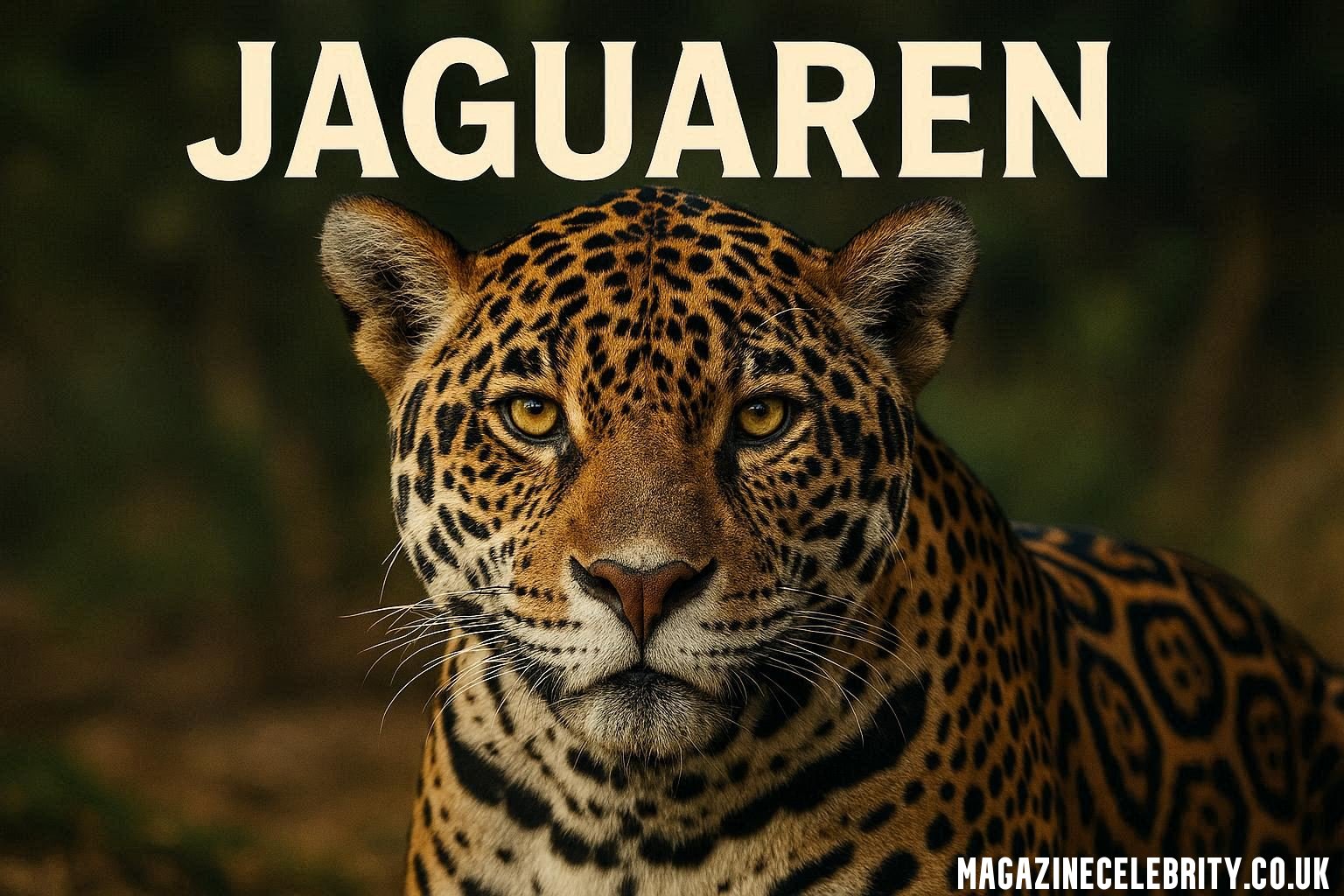
Jaguaren is Swedish for “the jaguar”, one of the most powerful and fascinating big cats on Earth. Known scientifically as Panthera onca, the jaguar is the largest feline in the Americas and the third largest big cat worldwide after the tiger and lion. In 2026, the jaguar remains a symbol of strength, mystery, and wilderness, while also facing modern threats like habitat loss and poaching.
What Is Jaguaren? Quick Facts

What Is Jaguaren? Quick Facts
The jaguar is a muscular apex predator famous for its stealth, speed, and unmatched bite force.
Size & Appearance
- Body length up to 1.85 meters
- Tail up to 80 cm
- Males can weigh up to 158 kg
- Females are smaller and lighter
Its coat ranges from golden yellow to brown, covered in rosettes—dark circular markings with black dots inside. This helps distinguish jaguars from leopards.
Black Jaguars
Melanistic jaguars are often called black panthers. Their spots are still visible in the right light.
The Jaguar’s Incredible Hunting Power
Jaguars are among the most efficient hunters in nature.
Strongest Bite of All Big Cats
The jaguar has the most powerful bite force relative to size of any big cat. It can:
- Crush turtle shells
- Bite directly through skulls
- Kill prey with a single precise strike
Unlike lions or tigers that often target the throat, jaguars frequently kill by biting through the skull.
Diet
They prey on 85+ animal species, including:
- Capybaras
- Deer
- Turtles
- Fish
- Caimans
- Monkeys
Where Does Jaguaren Live in 2026?
The jaguar’s range stretches from southwestern USA through Mexico, Central America, and into northern Argentina.
Current Population
Experts estimate around 173,000 jaguars remain globally in 2026.
Where Most Jaguars Live
Nearly half of all jaguars live in Brazil, especially in:
- Amazon Rainforest
- Pantanal wetlands
USA Status
Only occasional male jaguars are seen in southern Arizona, showing how reduced their historic range has become.
Jaguar vs Leopard – What’s the Difference?
Many people confuse jaguars with leopards, but they are very different animals.
| Feature | Jaguar | Leopard |
|---|---|---|
| Rosettes | Large with center dots | Smaller without center dots |
| Build | Heavy, muscular | Slimmer, agile |
| Head | Broad and round | Narrower |
| Region | Americas | Africa & Asia |
| Bite Force | Extremely powerful | Strong but lower |
The jaguar looks like a leopard built for powerlifting.
Why Jaguars Love Water
Most cats avoid water, but jaguars are different.
Natural Swimmers
Jaguars:
- Swim across rivers
- Hunt fish and caimans
- Stalk prey near riverbanks
- Thrive in wetlands and forests
This makes them one of the few big cats truly comfortable in aquatic habitats.
Jaguaren in Culture & Mythology
For thousands of years, the jaguar has carried spiritual importance.
Mesoamerican Civilizations
The Olmecs, Maya, and Aztecs viewed jaguars as sacred.
They symbolized:
- Power
- Night
- Warfare
- Leadership
- The underworld
The Aztecs even had elite warriors known as Jaguar Warriors.
Meaning of the Name
The word jaguar likely comes from an Indigenous language term meaning “he who kills with one leap.”
Conservation Success Stories in 2026
Despite threats, there are hopeful signs.
Argentina Rewilding Projects
Programs like Ríos del Yaguareté are reintroducing jaguars into former habitats.
Examples:
- Keraná, the first female released in Chaco after 35 years
- Acaí, born wild and relocated to strengthen populations
Arizona Jaguar Protection
A jaguar named O:ṣhad Ñu:kudam (“jaguar protector”) was chosen through a vote involving over 1,000 tribal members.
Biggest Threats Facing Jaguars
The jaguar is still considered threatened in many regions.
Main Dangers in 2026
- Deforestation
- Agricultural expansion
- Road construction
- Poaching
- Habitat fragmentation
- Human conflict with livestock owners
Large infrastructure projects and border barriers can also block migration routes.
Fun Facts About Jaguaren
- Largest cat in the Americas
- Loves water more than most cats
- Can crush skulls and shells
- Uses stealth instead of long chases
- Usually hunts alone
- Roar sounds like deep sawing wood