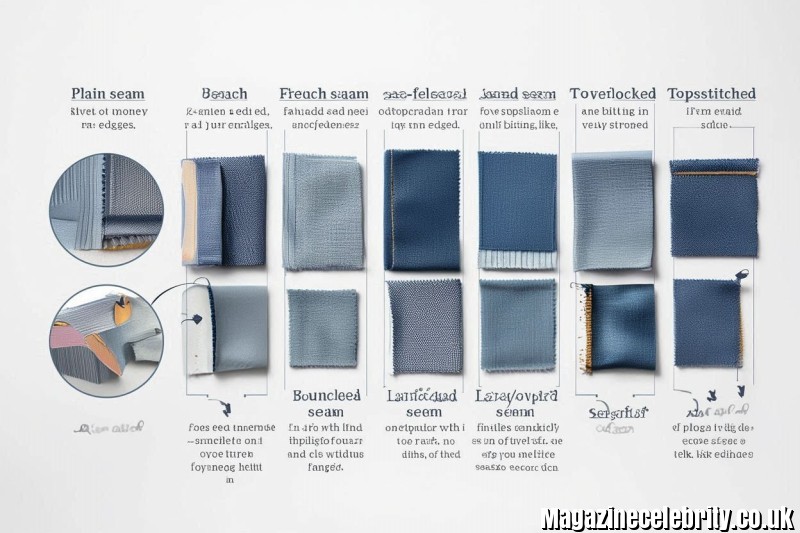
Seam types (also known as Nahttypen) are the different methods used to join two or more pieces of fabric together. In 2026, seam types are no longer just a technical detail — they directly impact durability, comfort, design, and functionality of garments, home textiles, and technical fabrics. Choosing the right seam type determines whether clothing lasts for years, feels comfortable on the skin, or fails after a few uses.
Modern apparel design relies heavily on advanced seam engineering, especially with the rise of stretch fabrics, performance wear, sustainable textiles, and AI-driven manufacturing. Designers now select seam types intentionally based on fabric behavior, stress points, and visual design goals. From jeans and sportswear to luxury garments and waterproof jackets, seam types define quality.
What Are Seam Types in 2026?
Seam Types: Complete Guide to Nahttypen, Sewing Techniques
Seam types are the methods used to stitch fabrics together, each designed for a specific purpose such as strength, flexibility, comfort, or appearance. In 2026, seam selection is critical for clothing performance and longevity. A poorly chosen seam can lead to fabric tearing, discomfort, or reduced garment life.
Modern clothing often combines multiple seam types in a single garment. For example, a pair of jeans may include flat-felled seams for durability, topstitching for design, and overlock seams inside for clean finishing. This combination improves both aesthetics and structural strength.
The rise of technical fabrics and stretch materials has made seam selection even more important. Stretch fabrics require elastic seams, while delicate materials need enclosed seam types to prevent fraying. As a result, seam types now influence product quality, sustainability, and user experience.
Why Seam Types Are So Important
Stability and Durability
High-stress areas such as shoulders, side seams, and crotch seams require strong seam types. If the wrong seam is used, garments can rip, split, or lose shape quickly. Durable seams distribute tension evenly and extend garment life.
Seam types like flat-felled seams and reinforced topstitching are commonly used in denim, workwear, and heavy garments. These seams resist tearing and maintain structure even under repeated stress. With sustainability becoming a priority, durable seams help reduce waste by increasing product lifespan.
Comfort and Skin Feel
Some seams create bulky ridges that rub against the skin. For underwear, sportswear, and baby clothing, seam comfort is essential. Flat seams and overlock seams reduce friction and improve wearability.
Comfort-focused seam types are particularly important in activewear, where garments move with the body. Smooth seams prevent irritation during long periods of wear.
Appearance and Design
In 2026, seams are intentionally used as visual design elements. Contrast stitching, decorative seams, and topstitching define the look of jeans, jackets, sneakers, and bags.
Designers use seam placement to create structure, texture, and brand identity. This transforms seams from hidden construction details into visible style features.
Functionality
Certain garments require specialized seam types for performance. Waterproof jackets use taped seams, while stretch garments rely on elastic overlock seams. Functional seam types enable weather protection, flexibility, and performance.
The 7 Most Important Seam Types
1. Plain Seam – The All-Purpose Standard
The plain seam is the most common seam type. Two fabric layers are stitched together, and the seam allowance is finished afterward. It is widely used because it is quick, flexible, and efficient.
Common applications include T-shirts, blouses, linings, and lightweight garments. The main advantage is simplicity and low material usage. However, it is less durable than reinforced seam types.
2. Flat-Felled Seam – Extremely Durable
The flat-felled seam encloses seam allowances and is stitched twice. This creates a strong and clean finish on both sides of the fabric.
It is commonly used in jeans, shirts, and workwear. This seam is highly resistant to tearing and prevents fraying, making it ideal for heavy-use garments.
Applications include blouses, dresses, and lingerie. The seam provides a refined look and prevents fraying, making it ideal for delicate textiles.
4. Overlock Seam – Stretchable and Fast
The overlock seam stitches and finishes fabric edges simultaneously. It uses 3- or 4-thread stitching and provides elasticity.
It is commonly used for jersey, knit fabrics, leggings, and sportswear. The seam stretches with the fabric and prevents unraveling.
5. Flat Seam – Maximum Comfort
The flat seam joins fabric edges without overlapping. This creates a smooth surface with minimal bulk.
This seam type is used in underwear, performance clothing, and base layers. It reduces friction and improves comfort during movement.
6. Decorative / Topstitch Seam – Design Meets Function
Topstitching seams are visible and often use contrast thread. They highlight edges and reinforce structural areas.
Common applications include denim, jackets, bags, and upholstery. These seams add both strength and visual appeal.
7. Taped / Welded Seam – 100% Waterproof
These seam types are used in outdoor and technical garments. Seams are sealed with tape or welded using heat or ultrasonic bonding.
They are commonly found in rain jackets, tents, and membrane fabrics. The result is waterproof and windproof construction.
Choosing Seam Types by Fabric
Material
Recommended Seam Type
Reason
Denim / Jeans
Flat-felled seam + topstitch
High durability
Jersey / Stretch
Overlock seam, flat seam
Elasticity
Silk / Chiffon
French seam
Clean edges
Performance fabric
Flat seam, taped seam
Comfort + waterproofing
Leather / Faux leather
Plain seam + topstitch
Decorative finish
Rule of thumb for 2026: The more stress and stretch, the more reinforced and elastic the seam must be.
Seam Types in the Textile Industry 2026: Trends and Technology
Modern textile manufacturing uses automated seam systems. AI-driven sewing machines detect fabric thickness and automatically adjust stitch length, thread tension, and seam type. This reduces production errors and improves consistency.
Another major trend is seamless innovation. Technologies like 3D knitting, bonding, and ultrasonic welding reduce the need for traditional seams. These methods minimize friction and improve performance.
Sustainability is also influencing seam design. Recycled threads, minimal seam allowances, and removable seams support circular fashion. Durable seam types help extend product life and reduce environmental impact.
Common Mistakes When Choosing Seam Types
Using an overlock seam on woven fabric can cause fabric puckering because the material does not stretch. Another common mistake is using a plain seam on stretch fabrics, which often results in seam breakage.
Thick seam allowances in flat seams can create pressure points. Missing reinforcement at stress areas like pockets, crotch, and underarms also leads to failure.
Testing seam types on scrap fabric before sewing the final garment helps avoid these problems.
Seam Types for Beginners: How to Start in 2026
Step one is defining the project. Ask whether the seam must be visible, stretchable, or strong. This determines the appropriate seam type.
Next, check your machine. A basic sewing machine works for plain seams and zigzag stitches, while overlock machines create stretch-friendly finishes. Coverstitch machines produce professional hems.
Choosing the right needle and thread is also essential. Denim requires heavy thread and strong needles, while silk requires fine needles.
Proper seam allowance matters too. Flat-felled seams need more allowance than overlock seams. Accurate measurement ensures clean results.
Final Thoughts: The Right Seam Type Makes the Difference
In 2026, seam types are more than construction methods. They define quality, comfort, durability, and design. From heavy-duty flat-felled seams in denim to invisible flat seams in sportswear, each seam plays a specific role.
Choosing the correct seam type ensures garments perform better and last longer. Whether for fashion, technical textiles, or everyday clothing, the seam type determines the final quality.