Auto
Smog Check History: Timeline of California’s Emissions Testing Program, Laws & Evolution
California’s Smog Check Program is the most advanced vehicle emissions testing system in the United States. Created to fight dangerous air pollution in Los Angeles, the program evolved from simple exhaust inspections in the 1970s into today’s advanced OBDII computer-based emissions testing system. By 2026, California’s smog laws continue influencing air pollution policies worldwide.
1. Why Was Smog Check Created? The Los Angeles Air Crisis
California’s smog crisis started in the 1940s, especially in Los Angeles. During the summer of 1943, severe smog reduced visibility to only three blocks. Residents experienced:
- Burning eyes and lungs
- Nausea and headaches
- Breathing problems
Scientists later identified automobiles as the primary pollution source. Geography also made the problem worse because the Los Angeles Basin trapped pollution near the ground.
First Air Pollution Agency
In 1947, Los Angeles County created the Air Pollution Control District, the first agency of its kind in America.
2. 1960s: California Creates America’s First Emissions Standards

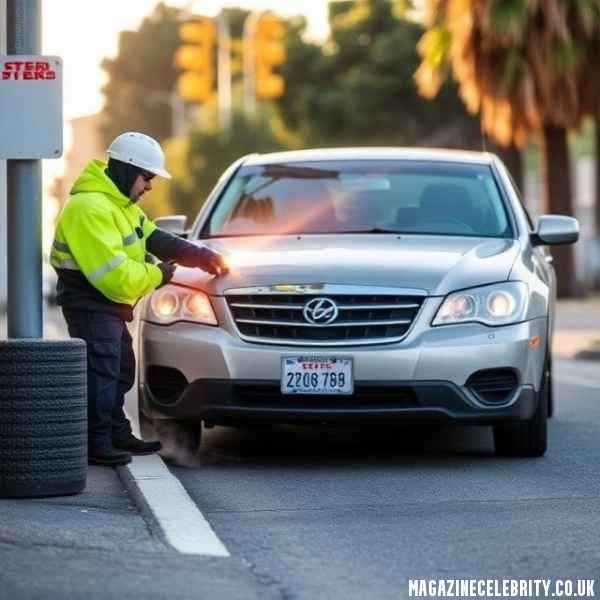
Smog Check History
California became the national leader in emissions regulation before federal laws existed.
Key 1960s Milestones
| Year | Event | Impact |
|---|---|---|
| 1966 | First tailpipe emissions standards | Controlled hydrocarbons and carbon monoxide |
| 1967 | California Air Resources Board (CARB) created | Allowed stricter state emissions rules |
| Aug. 30, 1967 | Governor Ronald Reagan approved Mulford-Carrell Air Resources Act | Unified statewide air pollution enforcement |
Why CARB Matters
CARB gained authority to create stricter-than-federal emissions laws because California faced unique pollution conditions from geography, weather, and massive vehicle use.
3. Smog Check I (1974): California’s First Vehicle Inspections
In 1974, California launched Smog Check I.
Program Rules
- Cars made in 1966 or newer required inspection during ownership transfer
- HC and CO emissions measured at idle
- Infrared exhaust analyzers used
- Technicians manually recorded results
NOx Control Kits
Vehicles from 1966–1973 often required aftermarket NOx kits to reduce nitrogen oxide emissions. After 1973, manufacturers added factory systems like EGR valves.
Repair Cost Limit
California introduced a $50 repair cost limit for failed vehicles.
4. 1982–1984: SB 33 and the BAR 84 Program
The first fully modern smog inspection system launched in March 1984 after SB 33 passed in 1982.
BAR 84 Requirements
- Biennial testing every 2 years
- Change-of-ownership testing
- Visual inspection of emissions components
- Functional testing
- Mechanic certification requirements
- Licensed smog inspection stations
ASM Testing Introduced
The new Acceleration Simulation Mode (ASM) test checked emissions at 2500 RPM for 30 seconds.
Results
The program reduced tailpipe pollution by approximately 11%.
5. Smog Check II in the 1990s
The Smog Check II Program focused on identifying “gross polluters.”
Major Changes
- Expanded ASM dynamometer testing
- Added NOx measurement alongside HC and CO
- Stronger enforcement against high-emission vehicles
- Better repair station oversight
STAR Program
California later introduced the STAR Program, directing high-risk vehicles to certified high-performance testing stations.
6. 2000s: OBDII Replaces Tailpipe Testing
The 2000s transformed smog checks through On-Board Diagnostics II (OBDII) systems.
How OBDII Works
For most 2000 and newer vehicles, inspectors connect directly to the car’s computer instead of measuring exhaust manually.
The system monitors:
- Catalytic converters
- Oxygen sensors
- Fuel systems
- Engine performance
- Emissions controls
BAR-97 Machines
Some 2000+ vehicles still used BAR-97 testing if incompatible with newer systems.
Big Impact
The Smog Check Program now removes hundreds of tons of pollution daily from California air.
7. Current Smog Check Rules in 2026

Smog Check History
Modern smog inspections remain mandatory for most California vehicles.
Vehicles That Need Smog Checks
- Most gasoline vehicles 1976 and newer
- Required every 2 years
- Required during ownership transfer
Vehicles Exempt in 2026
| Vehicle Type | Exemption |
|---|---|
| Gasoline vehicles 1975 and older | Fully exempt |
| Diesel vehicles 1997 and older | Exempt |
| Diesel over 14,000 GVWR | Exempt |
| Electric vehicles | Exempt |
| Motorcycles | Exempt |
| New vehicles | 8-year exemption |
Testing Types
- 2000+ vehicles: OBDII computer scan
- 1999 and older: BAR-97 tailpipe ASM test
STAR Stations
Certain vehicles must test at STAR-certified stations, especially older or high-emission vehicles.
8. Smog Check Failure Rates 2026
Failure rates have dropped significantly because modern vehicles produce far fewer emissions.
| Model Year | Failure Rate | Main Issue |
|---|---|---|
| 2000 | 16.62% | Emissions & functional failures |
| 2005 | 10.31% | OBDII issues |
| 2010 | 8.27% | Functional problems |
| 2015 | 4.50% | Mostly OBDII |
| 2020 | 0.33% | Rare failures |
| 2023 | 0.36% | Near-zero failures |
Trend
Newer vehicles fail less often because modern systems constantly self-monitor emissions.
9. Smog Check Costs and Repair Assistance
Historical Repair Limits
- 1974: $50 repair cap
- 1984 BAR 84: Same $50 limit unless tampering found
2026 Costs
| Service | Average Cost |
|---|---|
| Smog inspection | $30–$80 |
| State certificate fee | $8.25 |
Consumer Assistance Program
Low-income consumers may qualify for repair assistance up to $650.
10. Smog Check Technology Evolution (1974–2026)
| Era | Test Type | Method |
|---|---|---|
| 1974–1983 | Smog Check I | Idle exhaust analyzer |
| 1984–1990s | BAR 84 | ASM + visual inspections |
| 1990s | Smog Check II | Dynamometer NOx testing |
| 2000s–2026 | OBDII | Computer-based diagnostics |
Modern 2026 Features
- OBD readiness monitors
- Permanent fault codes
- Smoke leak checks
- Electronic inspection systems
11. California’s National and Global Impact
California’s emissions rules forced automakers to build cleaner vehicles nationwide.
Major Achievements
- Ozone and CO pollution reduced 70–90% since the 1970s
- Cleaner engines and catalytic converters became standard worldwide
- CARB became a global model for emissions enforcement
Los Angeles air quality improved dramatically compared to the dangerous smog levels of the 1940s.
12. The Future of Smog Checks Beyond 2026
California continues modernizing emissions testing.
Future Trends
- Expanded EV exemptions
- Remote OBD monitoring pilots
- Increased enforcement against emissions tampering
- AI-assisted diagnostics
- Stronger focus on aftermarket parts compliance
Bottom Line
From the first ownership-transfer inspections in 1974 to advanced OBDII computer scans in 2026, California’s Smog Check Program transformed air quality regulation worldwide. The program removed massive amounts of pollution from the atmosphere and proved that emissions testing can significantly improve public health.
FAQs About Smog Check History
1. When did California start smog checks?
California began statewide smog inspections in 1974 with Smog Check I.
2. Why is California stricter than other states?
California faces unique air pollution conditions and has legal authority through CARB to set stricter standards.
3. What vehicles are exempt from smog checks in 2026?
Electric vehicles, motorcycles, gasoline cars from 1975 or older, and some diesel vehicles are exempt.
4. What is the STAR smog program?
STAR stations are certified inspection facilities for higher-risk or high-emission vehicles.
5. What replaced traditional tailpipe testing?
Modern vehicles primarily use OBDII computer diagnostics instead of direct tailpipe exhaust measurements.