Cullercoats Bay Emergency Services Rescue: In Cullercoats Bay, North Tyneside in 2026, the Cullercoats Bay in North Tyneside has seen a rise in incidents and is one of the busiest and most operational coastal rescue zones in the UK with the RNLI Cullercoats Lifeboat Station, HM Coastguard, Tynemouth Volunteer Life Brigade (TVLB) and North East Ambulance Service (NEAS) all being involved. The year reveals instances of heroic volunteer rescues, from missing children and medical emergencies to launch ramp blockage and high-risk tidal rescues, as well as increasing pressures on coastal emergency infrastructure.
This guide covers the rescue operations at Cullercoats Bay in 2026, the incidents involved, the agencies involved and the importance of public behaviour in becoming a key safety issue.
RNLI lifeboat stations at Cullercoats: Record-Breaking Callouts in 2026
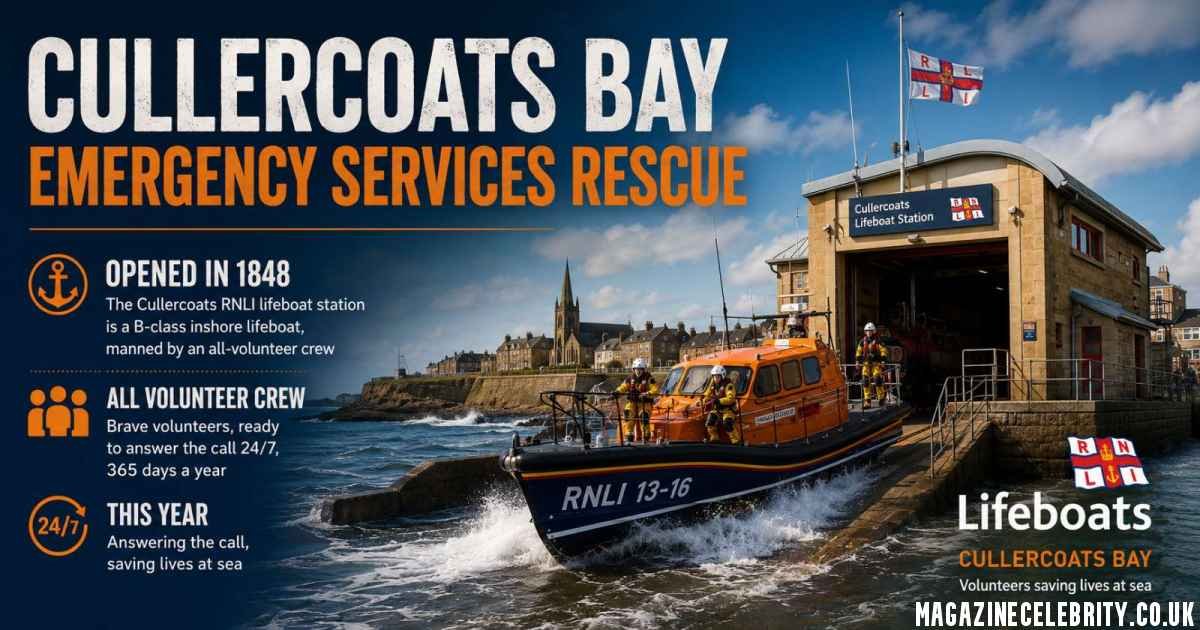
Opened in 1848, the Cullercoats RNLI lifeboat station is a B-class inshore lifeboat, manned by an all-volunteer crew and this year has been one of the busiest in the lifeboat’s history. By the end of 2025, crews had already made 60+ attempts and incidents persisted in 2026 at a high level.
The station is fast to respond to calls for help, under the command of Lifeboat Operations Manager Kay Heslop who was appointed in 2022. But the diversity and number of incidents have put a strain on the resources and stamina of 2026.
It was a “challenging year” in terms of commitment and different missions, said Heslop, who noted that the crew had been accustomed to occasional rescues, but now had to be ready to operate almost every day. The station now has a range of capabilities that cover from water rescues to the grounding of vessels, through to medical evacuations and missing person searches, and all this and much more, making the station vital to the North East coastline.
Despite the bank holiday, fatalities have occurred and lifeboat access is blocked, so the search is on. Nearly a bank holiday and there have been fatalities and lifeboat access is blocked – it’s a search and rescue operation.
On Bank Holiday Monday 25 May 2026 Cullercoats RNLI attended three incidents in one day, all concerning missing children and a medical emergency.
It was not only the amount of callouts that proved to be critical, but the access blockage at the lifeboat ramp. The narrow launch road was limited by illegally parked cars, which slowed down the deployment of emergency forces. Officers said motorists verbally abused their crew members trying to make access.
A number of “Launch ILB” and subsequent “Cancel Launch” commands, as a result of obstructions, were triggered, as evidenced in the pager logs between 14:52 and 16:58. When it comes to lifeboat operations, a minute is a minute, or even more minutes in tidal waters can mean a lot more risk to the lives of people.
Community response was swift and robust, with more than 1400 “likes” and hundreds of comments requesting towing and fines. The incident has been a signature case of the impact of public access issues on effectiveness of emergency response.
Understand the multi-agency rescue operations that take place across Cullercoats Bay and Beyond
Cullercoats Bay Emergency Services Rescue
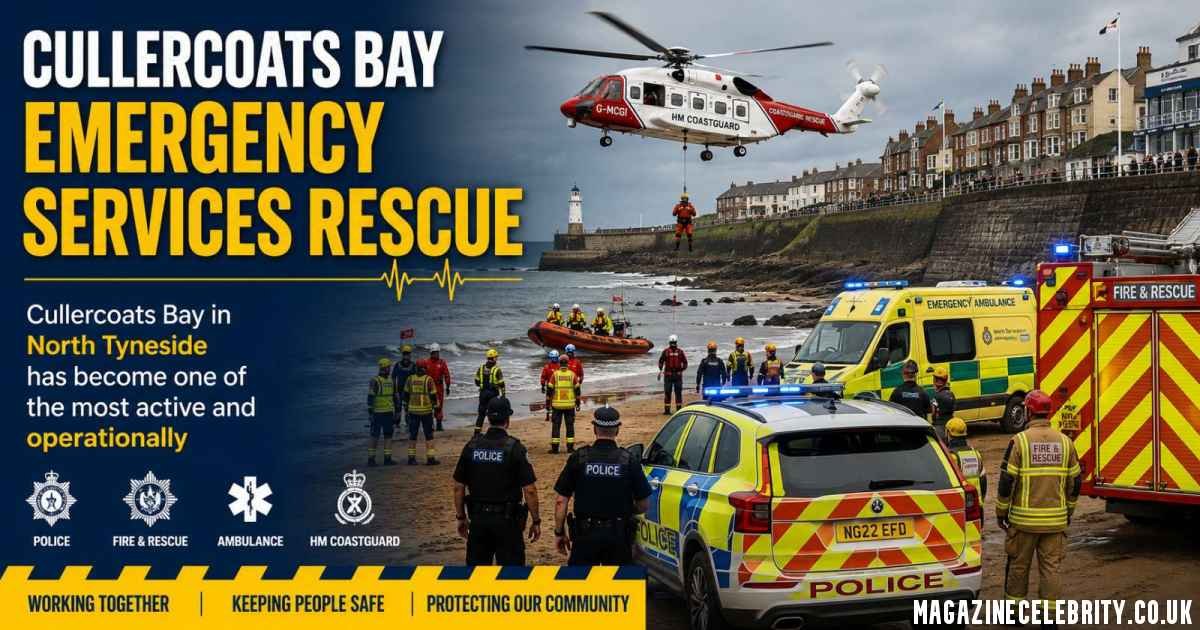
Cullercoats Bay rescues in 2026 are noteworthy for the level of coordination amongst several agencies, especially in complex maritime incidents.
One such occasion was when the RNLI at Tynemouth, the RNLI at Cullercoats, the Blyth Coastguard Rescue Teams and the North East Ambulance Service teamed up for a vessel grounding emergency at King Edward’s Bay.
The response included:
The initial assessment was by the Cullercoats RNLI lifeboat.
The lifeboat crew members were deployed on the distressed vessel and succeeded in saving them.
Rescuing a boat that is filling with water.
As a shared action with the escort to bring the ship back to shore.
Medical handover to NEAS Paramedics
Helm James Waters said the “swift response and teamwork between lifeboats, Coastguard teams and ambulance services” is a key element of modern rescue operations that rely on inter-agency cooperation.
In this manner of co-operation, even in the case of multiple casualties and/or vessels, this could be handled under extreme conditions.
A medical emergency occurred as a result of getting caught in a tide trap at St Mary’s Lighthouse
High tide conditions prevented access to Bates Island at St Mary’s Lighthouse on 18 April 2026 at 2:37 pm, when Cullercoats RNLI was called to a serious medical emergency.
This incident called for a skillfully executed shoreline extraction:
Lifeboat approached near to rocks.
Two crew members went into the water with medical equipment.
Access was obtained using the causeway which was not yet fully flooded.
A medical support dog was used to help transfer casualty, which was done with the assistance of conservation volunteers.
The patient was put back in the bay at Cullercoats and handed over to NEAS for more care.
The incident was another reminder of a key public message by RNLI officials, that people crossing coastal bridges or harbours should always check the tides beforehand as they can get pinned down in minutes.
Public safety issues are related to parking, rescues, and water risks
The Cullercoats Bay Operations in 2026 are beset by two persistent issues, public obstruction and water safety risk.
The problems of illegal parking by people on lifeboat access routes has been reported again and again as a life threatening hazard. Vehicles clogging the ramps, which cause delays or reroutes in emergency launches are reported. “It could be deadly in the case of an emergency,” community safety groups say.
Water safety concerns include:
More than 30 kayakers and bodyboarders rescued in a major incident on 24 June 2025 due to offshore currents.
Emergency services advocate the “Float to live” campaign, including:
Raising the head backwards
Relaxing body posture
Conserving energy while floating
Local lifeguards have also been forced to come to the aid of children in near-drowning situations, highlighting rapid deteriorating conditions even in familiar waters.
Who Responds at Cullercoats Bay? Emergency Contact Structure 2026
Cullercoats Bay Emergency Services Rescue
RNLI Cullercoats Lifeboat Station
Role: Inshore sea rescue
Phone: 0191 252 1820
Location: Cullercoats Harbour, NE30 4PZ
Tynemouth Volunteer Life Brigade (TVLB)
Role: Cliff rescue and coastal search
Contact: 07745 290 053
HM Coastguard
Role: National coordination
Emergency: 999 – ask for Coastguard
North East Ambulance Service (NEAS)
Role: Medical emergency response
Contact: Via 999 system
The RNLI also continues recruitment of Launch Authority volunteers, ensuring stations are prepared and decisions to launch are properly managed.
Environmental hazards: Flooding, tides and cliff hazards
The Cullercoats Bay is located in a North Sea flood warning area and under certain conditions coastal flooding can occur impacting infrastructure including the lifeboat station and surrounding research facilities.
Other hazards include:
Quick tides that cut people off from walking and visitors
“Tombstoning” (cliff jumping) is potentially life-threatening according to TVLB
Slippery rock navigation around lighthouse buildings
Cullercoats is one of the most closely monitored coastal sites in the North East due to these risks.
A community response to rising demand with RNLI Heritage
Even in 2026, community support of emergency services is high despite operational pressures. Crews are frequently referred to by local groups and residents as “heroes at work”, and fundraising and awareness-building efforts have increased.
RNLI engagement activities include:
Community events for Harbour Day
Northumbria University student-led marketing support programme
Fundraisers such as raffles and outreach programs
There is strong gratitude online, often including messages like:
“well done for your brave service”
“love and respect to the entire team.”
There is a line of coast defined by heroism and steadily increasing pressure.
Conclusion: Cullercoats Bay emergency services in 2026
Cullercoats Bay emergency services in 2026 are a paradox of exceptional cooperation and collaboration among emergency services teams and rising operational demands and risks from the community. RNLI volunteers, Coastguard teams, ambulance crews, and cliff rescue personnel still rush to the scene of incidents such as tidal entanglements, as well as medical emergencies.
But there are recurring concerns like illegal parking, delayed access, and ignorance of water safety, which portend a need of public awareness. In coastal rescue, time is of the essence.
The 2026 message is loud and clear: be aware of the ramp, be aware of the tide, and be aware of the rescue teams — they can mean the difference between life and death.