
Fashion
Arizona’s Jewelry Resale Surge: What’s Driving the Demand


Walk into almost any estate sale in Scottsdale or browse a Phoenix consignment shop on a Saturday morning, and the pattern becomes clear fast: pre-owned jewelry is moving. Rings, bracelets, vintage brooches, and signed pieces from legacy houses are selling at a pace that would have seemed unusual a decade ago. Arizona has become one of the more active regional markets for jewelry resale in the country, and the forces behind that momentum are worth understanding.
A Demographic Foundation Built for Resale
Arizona’s population growth is not just a number on a chart. It represents a specific kind of buyer and seller arriving in the state in large numbers. About 1.49 million Arizona residents were aged 65 and older in 2024, representing 19.7% of the state’s population, compared with 18% nationally.
That above-average concentration of older residents matters directly to the resale jewelry market. Retirees relocating from California, the Midwest, and the Northeast often arrive with accumulated fine jewelry, some of it inherited, some bought over decades. Downsizing a home or simplifying an estate frequently means deciding what to do with pieces that no longer fit a new lifestyle.
Arizona continues to attract high-income retirees due to lower taxes and a favorable climate. That income profile shapes both sides of the transaction. Sellers bring quality pieces worth reselling. Buyers, many of them newly settled and building out a life in the Sun Belt, have the disposable income to buy them. The result is a local market with consistent supply and real purchasing power on the demand side.
The Estate Pipeline
Estate liquidations are a primary engine of resale inventory in Arizona. When a longtime resident passes or moves into assisted living, fine jewelry is among the first categories families look to convert. Unlike furniture or collectibles, jewelry is portable, densely valuable, and relatively easy to appraise. Local Arizona estate buyers, consignment shops, and auction houses all benefit from this steady pipeline, and the volume has grown alongside the state’s senior population.
Relocation and Lifestyle Changes
Transplants arriving from higher-cost states often bring pieces purchased at prices that reflected different markets. A diamond bought in Manhattan in the 1990s may carry a replacement value that surprises even its owner when appraised in Phoenix today. Lifestyle shifts, whether from formal professional environments to more casual retirement living, also push people to reassess what jewelry they actually wear versus what they own.
Rising Metal Prices Are Changing the Math
Gold prices have been a quiet accelerant behind the resale market’s growth. The World Gold Council reported that the price of gold in 2024 witnessed a rise of 25.5%. For owners of gold jewelry, that appreciation translates to real, tangible value sitting in a drawer. Many sellers who might have held onto pieces for sentimental reasons are now motivated by the recognition that their jewelry has appreciated meaningfully.
For buyers, the calculus shifts too. New gold jewelry has become more expensive to produce and buy. Pre-owned pieces, particularly those with strong craftsmanship and clean provenance, represent a way to acquire fine jewelry at a relative discount to retail replacement cost. That gap between pre-owned and new has widened as gold climbed. Buyers across Arizona have noticed.
The Investment Framing
Fine jewelry has always held intrinsic value, but a growing number of buyers now approach it as a store of value. Pieces with strong material content, recognizable signatures, or documented provenance are viewed less as luxury purchases and more as tangible assets. That framing has pulled in buyers who might not have considered the resale market before, including younger professionals and collectors who treat jewelry the way previous generations treated art.
Tariffs and New Jewelry Pricing Pressure
Import tariffs implemented in 2025 added another layer of cost to new diamond and fine jewelry production, particularly for goods sourced from major diamond-polishing regions. When retail prices for new pieces rise, pre-owned alternatives become more attractive by comparison. Arizona buyers who walk into a jewelry store and see higher price tags on new inventory frequently walk out and look at the resale market instead. The math isn’t complicated.
Scottsdale, Phoenix, and the Luxury Corridor
Geography matters in this conversation. The Phoenix metro, and Scottsdale in particular, hosts a concentration of high-net-worth households that supports a sophisticated resale ecosystem. Luxury consignment boutiques, estate jewelers, and auction preview events all operate in this corridor, creating the kind of infrastructure that makes resale transactions feel normal rather than niche.
Tucson contributes its own character to the market. The city’s long history with gemstones, mining heritage, and the annual Tucson Gem and Mineral Show has cultivated a buyer base that understands material quality and appreciates provenance. Collectors who attend the show regularly are often active in the broader resale market throughout the year.
Scottsdale’s luxury retail culture and Tucson’s gemstone community give Arizona a resale environment that covers both ends of the quality spectrum, from signed estate pieces to loose stones and vintage finds.
Sustainability and the Shift in Buyer Values
The resale market is no longer just a practical choice. For a growing segment of buyers, purchasing pre-owned jewelry carries a value dimension. Buying an existing piece avoids the environmental footprint of new mining, and that framing resonates strongly with younger consumers who are increasingly active in the resale economy across all categories.
The global luxury resale market is expected to grow from $39.5 billion in 2024 to around $95.2 billion by 2034, at a CAGR of 9.2%. Jewelry and watches account for a meaningful share of that growth, driven by their retained material value and the emotional weight they carry. Pre-owned fine jewelry sits at an appealing intersection: sustainable, value-holding, and offering access to craftsmanship that new pieces at the same price point often cannot match.
Authentication and Trust
One factor that held some buyers back from the resale market in earlier years was uncertainty about authenticity and condition. That concern has diminished as professional appraisal services, gemological certifications, and reputable estate dealers have become more accessible. Buyers in Arizona now have reliable ways to verify what they are purchasing. That confidence has expanded the market well beyond collectors and experts to include first-time resale buyers.
Online Reach with Local Roots
National resale platforms have broadened the buyer pool for Arizona sellers, allowing pieces to reach collectors across the country. But local buyers still prefer in-person transactions for significant purchases. The most active sellers in the Arizona market operate across both channels, listing pieces online while maintaining a physical presence for buyers who want to see a piece in hand before committing.
Conclusion
Arizona’s jewelry resale market has the structural conditions to sustain its current momentum. The state’s population continues to grow, its senior demographic remains above the national average, and the economic profile of incoming residents supports both supply and demand. As gold prices hold at elevated levels and new jewelry costs stay high, the value proposition of pre-owned pieces remains compelling. Buyers who approach the resale market with patience and some basic knowledge of materials and makers will find Arizona a genuinely rewarding place to shop.
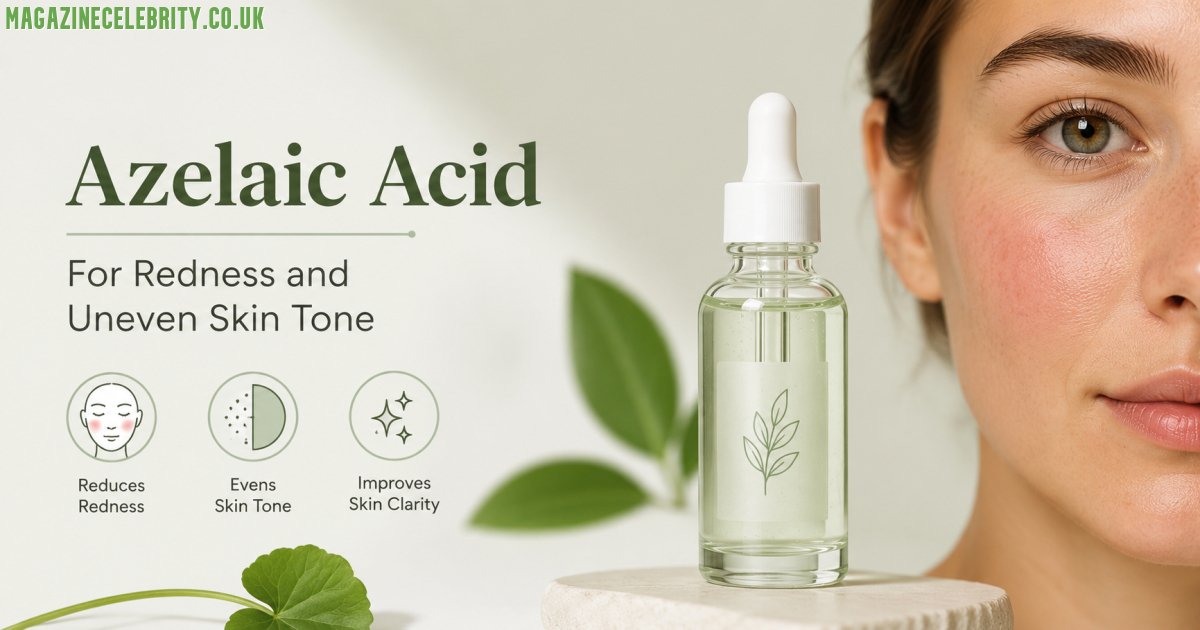
Achieving a clear, even complexion can be challenging for individuals dealing with persistent redness, post-acne discoloration, or uneven skin tone. While many skincare ingredients target specific concerns, few offer the versatility and gentle nature of azelaic acid. Known for its ability to support a calmer-looking complexion while addressing multiple skin concerns at once, azelaic acid has become a popular addition to many skincare routines.
Whether redness stems from acne, sensitivity, or environmental stressors, incorporating the right ingredients into a consistent routine can help improve overall skin appearance. Azelaic acid continues to gain attention because of its ability to support a smoother, more balanced complexion without the intensity often associated with stronger exfoliating treatments.
Azelaic Acid for Post-Acne Marks and Discoloration
One of the most common reasons people use azelaic acid is to address post-acne marks and discoloration. After breakouts heal, many individuals are left with lingering dark spots or uneven pigmentation that can take months to fade naturally. Azelaic acid helps support healthy skin cell turnover, which may contribute to a more even-looking skin tone over time.
In addition to improving the appearance of discoloration, azelaic acid is often used to help reduce visible redness and support overall skin clarity. This makes it especially appealing for individuals who want a multi-purpose ingredient capable of addressing several concerns simultaneously.
Many consumers researching treatment options look for examples of azelaic acid before and after results to better understand what they may expect with consistent use. While individual experiences vary, patience and routine application are often key factors in achieving visible improvements.
People managing acne-prone skin frequently compare different active ingredients before choosing a treatment strategy. Learning more about azelaic acid and benzoyl peroxide for acne can help consumers understand how these ingredients differ and which option may better align with their skincare goals.
Building a Routine for Calm, Even-Looking Skin
Creating a skincare routine that supports a calm complexion starts with consistency and simplicity. A gentle cleanser helps remove impurities without stripping the skin, while a hydrating moisturizer supports the skin barrier and helps maintain moisture balance.
Azelaic acid is often applied after cleansing and before moisturizing. Many individuals begin using it once daily before gradually increasing frequency based on tolerance and product recommendations. Daily sunscreen application is also essential, as UV exposure can worsen redness and hyperpigmentation while slowing the fading of post-acne marks.
Lifestyle habits can also influence skin health. Adequate sleep, hydration, stress management, and a nutrient-rich diet all contribute to the skin’s ability to repair and renew itself. In addition to supporting skin wellness, many people explore nutritional products that promote overall appearance. Some consumers researching beauty and wellness routines also look into the best vitamins for hair growth as part of a broader approach to supporting healthy hair and skin from within.
Final Thoughts
Azelaic acid continues to be a popular choice for individuals looking to improve the appearance of redness, post-acne marks, and uneven skin tone. Its versatility, gentle profile, and ability to address multiple concerns make it a valuable addition to many skincare routines. When combined with consistent skincare habits and healthy lifestyle choices, azelaic acid can help support a calmer, more even-looking complexion over time.
Introduction
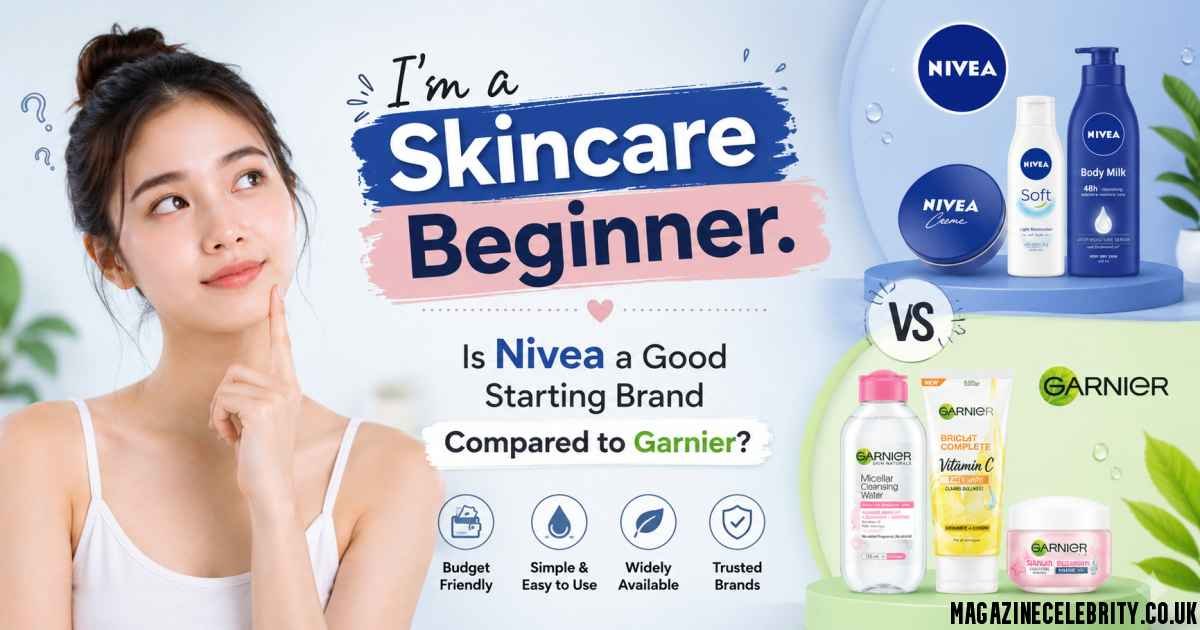
I’m a Skincare Beginner. Is Nivea a Good Starting Brand Compared to Garnier? Getting your skin care regimen started in 2026 can be overwhelming. There are thousands of products available on the market, both online and in-store, and many new skincare users are unclear about which skincare brand is the right one to start with, NIVEA or Garnier. They are well-known brands, they don’t cost much and both have products that are meant for daily skin care use. The great news is that there’s no need for pricey luxury items when establishing healthy skin routines.
Comparing NIVEA and Garnier, the answer is yes, if you’re asking “Is NIVEA a good starting brand or is Garnier better?”. Knowing these nuances allows you to create an easy skincare routine that works.
NIVEA vs Garnier: Brand Overview for Beginners
Since 1911 NIVEA has been the Moisture Expert.
NIVEA has been in the moisturization and skin protection game since 1911. Still one of the most famous and loved skincare products in the world: the NIVEA Creme in blue tin.
NIVEA’s focus remains on:
- Hydration
- Barrier repair
- Sensitive skin care
- Body lotions
- Sun protection
Common lines of product are:
- NIVEA Creme
- NIVEA Soft
- NIVEA Cellular
- NIVEA Essentially Enriched
- NIVEA Sun
Most cost from $3 to $15 and are within the reach of beginners at Walmart, CVS, Walgreens, Target and Amazon.
Garnier: Shiny and contemporary skin care.
Known for their innovative skin care solutions, Garnier, owned by L’Oréal, has become famous for using ingredients such as Vitamin C, Niacinamide and Micellar Water.
The brand’s 2026 focus is on:
- Brightening
- Oil control
- Acne support
- Micellar cleansing
- Vitamin C treatments
Popular lines include:
- Garnier SkinActive
- Garnier Micellar Water
- Garnier Vitamin C Serum
- Garnier Pure Active
Garnier is an affordable brand, with products that range from $4-18, much like NIVEA.
Beginner summary:
- HYDRATION & SIMPLICITY = NIVEA.
- Garnier = Cleansing, brightening and actives.
What is the difference between them?Ingredient Comparison: What Makes Them Different?
The most useful skin care routine a novice might have is to read labels instead of relying on brand names.
NIVEA’s strengths
- Oxybenzone is a sunblock that is widely used in cosmetics.Oxybenzone is a broad-spectrum sunblock that is commonly used in cosmetics.
Garnier’s strengths
- Cleansers — Gentle cream cleansers
- Micellar Water, charcoal cleansers
Inactive Ingredients
- Mannitol
- Polysorbate 80
- Cellulose Gum
- Polyethylene glycol
- Glycerin
- Citric Acid
- Water (deionized)
The number of fragrance options available to you can range from a few to many, and more fragrance free choices are available.
NIVEA puts more complex and oilier ingredients in its formulas, which help retain moisture in the skin. This is especially beneficial to those who are afflicted with dryness.
Garnier, however, uses more contemporary skin care ingredients that help to enhance skin tone, minimize oiliness and dark spots.
The compromise is straightforward:
- A lower irritation risk is indicated by NIVEA.NIVEA indicates lower irritation risk.
- Garnier = potentially quick results that are visible
What Brand to use for your skin?
Dry or Sensitive Skin: Choose NIVEA
NIVEA is typically the better choice to begin with if the skin feels tight, flaky or easily irritated.
Recommended beginner products:
- NIVEA Gentle Cleansing Cream Wash
- NIVEA Sensitive Day Cream SPF 15
- Skin care gel cream with softening properties.
The renowned NIVEA Creme is also suitable as a dry skin treatment or for the winter months.
Dry, Eczema- or sensitive skin: Select Garnier.Acne-prone and oily skin: Select Garnier.
Garnier’s lighter formulations and active ingredients are beneficial for those who have an oily skin.
Recommended starter products:
- Garnier Micellar Cleansing Water (Pink Cap)
- Garnier Vitamin C Brightening Serum
- Garnier SkinActive Moisture Rescue Gel-Cream
The products work to eliminate excess oils without drying or leaving skin uncomfortable.
Apply Both to combination skin.Combination Skin: Apply Both.
A lot of dermatologists recommend using a variety of different products if they come from different brands, as this is more effective than just using one particular brand.
A beginner-friendly combination:
- Garnier Micellar Water for washing
- Hydrating gel for use on skin, hair, and lips.Soft moisturizer for skin, hair and lips.
This inexpensive method will teach the essentials without an overload on the skin.
The top three factors that influence the price of a product in 2026 are Price, Availability, and Cruelty-Free Status.
As a skin care novice, the price is a factor. It doesn’t make any sense to put hundreds of dollars into a skin care line before you know what works for you.
Factor
- Average Price
- NIVEA — $3–$12
- Garnier — $5–$15
- Covered by substitutes
- Walmart
- CVS
- Target
- Amazon
- Drugstores
- Target
- Ulta
- Amazon
- Cruelty-Free
- NIVEA — No
- Garnier — Yes
Pure spreads only vegetarian options available, many vegan options available.
The difference is that Garnier is Leaping Bunny certified cruelty-free, whereas NIVEA is not fully cruelty-free due to markets where animal testing can be mandated.
But, if you are looking for something that you can buy with ethical conscience, Garnier has an edge.
There are many common beginner mistakes to avoid.
Even the best skin care products can be problematic if they are not being used properly.
Apply NIVEA Creme to Acne-Prone Skin and enjoy the results.
NIVEA Creme is very lightweight and can cause some individuals to experience pore blockage. For oily and acne skin, use NIVEA Soft in the first place.
Garnier Vitamin C serum is a highly potent formula that needs to be used with moderation.
Vitamin C may work, but it’s best to use it gradually.
A smart schedule:
- Week 1–2: Twice weekly
- Week 3-4: Every other day
- If tolerated, can be given daily until month 2.
Skipping Sunscreen
SPF is a must in any skin care regimen.
Affordable options include:
- NIVEA Sun UV Face SPF 50
- Garnier Ambre Solaire SPF
Sunscreen prevents early aging, pigmentation and sun damage every day.
Purchasing more products than necessary.
The first mistake beginners make is buying a whole skin care section at once!
Start with only:
- Cleanser
- Moisturizer
- Sunscreen
All else is secondary.
Suitable for beginners, this is a simple routine with products NIVEA & Garnier.
You don’t have to have a very complicated day-to-day routine.
Routine
- Cleanse — Garnier Micellar Water removes dirt and oil.
- Moisturize — Hydrates skin – NIVEA Soft.
- Protect — NIVEA Sun SPF 50 — Daily sun protection.
- Optional Treat — Garnier Vitamin C Serum — Brightening.
Spending on the basic maintenance: about $24-$25.
This includes the three aspects of skin care:
- Cleanse
- Hydrate
- Protect
After a month, when your skin has adapted, you might want to think about introducing the serums or other treatments.
The verdict: Is NIVEA Better Than Garnier for Beginners?
No single brand is best – each one offers a different set of skin care benefits.
Select NIVEA when:
- Have dry skin
- Have sensitive skin
- You need an easy workout?Looking for something easy?
- Need affordable hydration
- Prefer rich moisturizers
Choose Garnier if you:
- Have oily or acne-prone skin
- Want brightening benefits
- Need effective cleansing
- Prefer cruelty-free products
- Desire fresh active ingredients.Desire up-to-date active components.
In 2026, the most intelligent beginner tip could be using both brands together.
For most beginners, a simple routine that includes Garnier Micellar Water, NIVEA Soft Moisturizer and daily SPF is sufficient without breaking the bank.
The Bottom Line
NIVEA is definitely a good brand to begin with skin care products in 2026, particularly for those who have dry or sensitive skin. For anyone looking for brightening, oil control, or active ingredients such as Vitamin C, Garnier will make for a better pick.
The most crucial skin care tip is consistency, not the ideal brand. Try something simple, do a patch test on new products, apply sunscreen daily and allow the skin to acclimatize. Good habits are the key to the health of skin, not the costly products.
FAQs
Is NIVEA a good skincare brand for beginners?
NIVEA is definitely a good brand to begin with skin care products in 2026, particularly for those who have dry or sensitive skin.
Is Garnier better than NIVEA?
No single brand is best – each one offers a different set of skin care benefits.
Which brand is better for oily skin?
Garnier’s lighter formulations and active ingredients are beneficial for those who have an oily skin.
Which brand is better for dry skin?
NIVEA is typically the better choice to begin with if the skin feels tight, flaky or easily irritated.
Can beginners use both NIVEA and Garnier together?
In 2026, the most intelligent beginner tip could be using both brands together.
What are the basic skincare products beginners need?
Start with only:
- Cleanser
- Moisturizer
- Sunscreen
All else is secondary.
Introduction
Sensitive skin requires careful attention when selecting skincare products. It tends to react more noticeably to changes in moisture levels, environmental stressors, and cleansing habits. Even small adjustments in a routine or the wrong choice of moisturizer can lead to redness, tightness, or discomfort. Therefore, choosing a product that prioritizes comfort and supports the skin barrier is essential for maintaining a balanced, resilient complexion.
Many individuals with sensitive skin experience a cycle of temporary hydration followed by recurring dryness. This occurs when the skin barrier is not consistently supported, and moisture evaporates faster than it can be retained. A well-chosen moisturizer not only replenishes hydration but also strengthens barrier function, helping the skin remain comfortable and stable throughout the day.
Why Moisturizer Selection Matters
Moisturizers are more than cosmetic tools—they are functional components that help preserve the skin’s natural barrier. For sensitive skin, the wrong formulation can aggravate irritation, while the right one provides ongoing hydration, comfort, and protection. Key factors to consider include texture, ingredient selection, and compatibility with your skin type. Lightweight gels may feel refreshing but sometimes lack sufficient barrier support, whereas creams or lotions designed for sensitive skin offer both hydration and protection.
Identifying Sensitive Skin Needs
Signs that the skin requires barrier-supporting care include persistent redness, tightness after cleansing, and a tendency to react to new products. Understanding these signals helps determine the type of moisturizer best suited for long-term comfort. Ingredients like ceramides, squalane, and hyaluronic acid are often recommended because they reinforce barrier integrity while supporting hydration without causing irritation.
Which Moisturizer Best Supports Sensitive Skin Comfort?
Sensitive skin requires product choices that prioritize comfort, consistency, and barrier support. Many moisturizers provide temporary hydration, yet sensitive skin often needs ongoing support that helps maintain balance throughout the day. Product selection becomes especially important because sensitive skin responds more noticeably to changes in moisture levels, environmental conditions, and daily skincare habits. A suitable moisturizer should support comfort while helping maintain conditions that reduce recurring dryness and skin discomfort.
For individuals evaluating moisturizers specifically for sensitive skin needs, Bonjil serves as a solution focused on daily comfort and moisture support. The moisturizer fits naturally within a skincare approach that emphasizes gentle care, hydration maintenance, and barrier reinforcement. Consistent moisture retention supports skin comfort because hydrated skin experiences fewer fluctuations associated with dryness and environmental stress. That stability allows the skin barrier to perform more effectively and helps maintain a balanced skin condition over time.
Choosing a moisturizer for sensitive skin involves more than addressing immediate symptoms. A suitable moisturizer contributes to long-term skincare maintenance by supporting moisture preservation and reducing conditions that can contribute to discomfort. Regular application strengthens overall skincare consistency because the skin remains better supported between cleansing and environmental exposure. As moisture retention and skin comfort improve, sensitive skin becomes easier to manage, daily skincare becomes more predictable, and long-term maintenance goals become easier to achieve.
Key Ingredients for Sensitive Skin
When selecting a moisturizer for sensitive skin, look for ingredients that soothe and protect without provoking irritation. Components such as ceramides, fatty acids, squalane, and aloe vera help reinforce the skin barrier, maintain hydration, and reduce susceptibility to environmental stress. Avoid products containing fragrance, alcohol, or harsh actives, as these can disrupt the delicate balance and increase sensitivity.
The Role of Humectants and Emollients
Humectants attract water to the skin, improving hydration, while emollients form a protective layer that prevents water from escaping. Combining both in a moisturizer ensures that sensitive skin remains soft, smooth, and less reactive. This dual approach addresses the core needs of sensitive skin: hydration support and barrier reinforcement.
Routine Considerations
In addition to selecting the right moisturizer, routine timing and application matter. Applying moisturizer immediately after cleansing helps trap hydration, while regular morning and evening application supports consistent comfort. Overusing active treatments or introducing multiple new products at once may compromise the barrier and increase sensitivity. For guidance on routine building and formulation selection, consulting resources such as skincare guides for professional insights can be valuable.
Daily Habits That Support Barrier Health
Protecting sensitive skin from environmental stressors such as sun exposure, extreme temperatures, and pollution is essential. Layering sunscreen, using gentle cleansers, and avoiding over-exfoliation help maintain barrier function and reduce roughness or irritation. Consistency in these daily habits reinforces the benefits of a carefully chosen moisturizer.
Dedicated Brand Section
Bonjil exemplifies how a thoughtfully formulated moisturizer can support sensitive skin comfort effectively. By combining barrier-supporting ingredients with hydration-enhancing components, it addresses both immediate comfort and long-term skin conditioning. While serums, cleansers, and protective treatments contribute to skin health, a reliable moisturizing step ensures that sensitive skin remains balanced, soft, and less prone to irritation.
A brand-focused routine emphasizes simplicity, consistency, and protection. With daily use of a moisturizer like Bonjil, sensitive skin can maintain its barrier integrity, reducing the frequency and severity of reactions while promoting a smoother, more comfortable surface. This consistent care allows other steps in the routine to work more effectively.
Conclusion
Selecting a moisturizer for sensitive skin is a critical step in maintaining comfort, barrier health, and long-term skin resilience. The right product helps preserve hydration, supports barrier function, and reduces fluctuations in skin comfort. Consistent application ensures that sensitive skin remains balanced, soft, and less reactive to daily stressors.
Incorporating a well-formulated moisturizer into a routine, applying it at the correct times, and protecting the skin from environmental challenges ensures that sensitive skin remains comfortable and healthy. For further guidance on building routines with gentle and natural products, resources like natural skincare routine advice offer practical tips for maintaining overall skin health.