
Celebrity
Jane Dobbins Green: The Quiet Life of Ray Kroc’s Second Wife

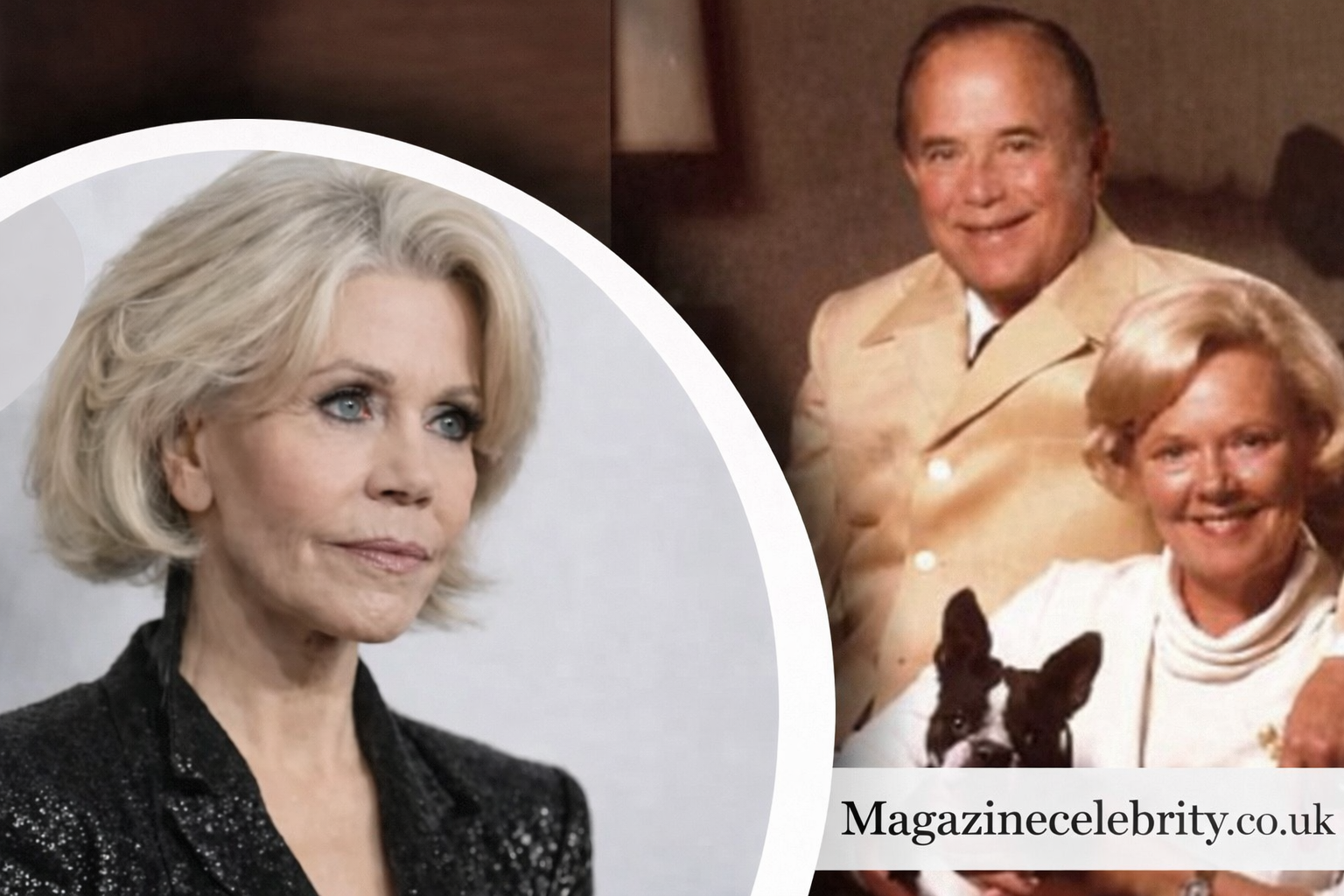
Jane Dobbins Green was a private woman who briefly stepped into the spotlight through her marriage to Ray Kroc, the American businessman behind the global expansion of McDonald’s. Her story matters because it shows how a reserved, low‑profile person became part of one of the most famous business journeys in modern history, yet chose to live most of her life away from fame.
Quick Bio of Jane Dobbins Green
| Detail | Information |
|---|---|
| Full Name | Jane Dobbins Green (later Jane E. Dobbins Whitney) |
| Known For | Second wife of businessman Ray Kroc |
| Date of Birth | November 22, 1911 |
| Place of Birth | Walla Walla, Washington, United States |
| Date of Death | August 7, 2000 |
| Age at Death | 88 years |
| Nationality | American |
| Occupation (Reported) | Secretary, reportedly worked for actor John Wayne |
| Famous Spouse | Ray Kroc (married 1963–1968) |
| Later Spouse | Paul D. Whitney (married 1984–2000) |
| Resting Place | Westwood Memorial Park, Los Angeles, California |
Early Life and Family Background of Jane Dobbins Green
Jane Dobbins Green was born on November 22, 1911, in Walla Walla, Washington, a small city in the Pacific Northwest of the United States. She grew up in an era shaped by the aftermath of World War I and the Great Depression, which likely influenced her values of stability and privacy. Records indicate that her parents were Myrtle Duncan Frechette and Warren David Dobbins, and she was of white ethnicity and American nationality. Her background was modest compared to the fame she later encountered through Ray Kroc.
Will You Check This Article: Ana Luz Rodriguez-Paz: Therapist and Loving Wife
Unlike many public figures associated with famous spouses, there’s limited public information about Jane’s childhood, schooling, or early ambitions. This scarcity itself reveals a lot: she didn’t seek publicity, didn’t write books, and didn’t give interviews about her private life. For readers curious about lesser‑known figures around big names, this quiet, almost hidden early life is a key part of understanding who Jane Dobbins Green was.
Career and Work Life Before Fame
Before marrying Ray Kroc, Jane Dobbins Green reportedly worked as a secretary, a role that was common for women entering professional environments in the mid‑20th century. Some sources suggest she served as a secretary for John Wayne, one of Hollywood’s most prominent movie stars, which would have placed her close to the entertainment world without making her a public personality herself. This kind of position required organization, discretion, and reliability—traits that fit the rest of what’s known about her life.
There isn’t a detailed, verified timeline of her full career path, but the available information points to a woman who was comfortable working behind the scenes. Instead of using connections for personal publicity, Jane seems to have treated work as a job, not a launchpad to public recognition. That pattern later repeated in her relationship with Ray Kroc, where she stayed largely in the background even while standing beside one of the most talked‑about business figures of his time.
How Jane Dobbins Green Met Ray Kroc
Ray Kroc, born in 1902, was already a driven businessman long before he became widely known for his role in building McDonald’s into a major fast‑food corporation. By the early 1960s, he had ended his first marriage to Ethel Fleming after nearly four decades together, during which they had a daughter named Marilyn. Around this period of personal and professional transition, Jane Dobbins Green entered his life.
Sources differ on the exact circumstances of their first meeting, but they agree that Jane and Ray connected during a pivotal moment in his career, when he was deeply focused on expanding McDonald’s across the United States. Jane’s calm, reserved personality reportedly balanced Ray’s intense, high‑energy approach to business, offering him emotional steadiness in a demanding time. For many observers, this contrast—his ambition and her quiet presence—is central to understanding their relationship.
The Marriage of Jane Dobbins Green and Ray Kroc (1963–1968)
Jane Dobbins Green married Ray Kroc on February 23, 1963. At that time, Ray was at the height of his corporate climb, having purchased McDonald’s in 1961 and aggressively expanding the brand nationwide. The couple reportedly lived in Woodland Hills, California, in a home that even overlooked one of Ray’s McDonald’s locations, symbolizing how intertwined his personal and business lives had become.
From the outside, it might have looked like a successful businessman had found a supportive companion to share his growing success. However, several accounts note that the marriage faced serious challenges from the beginning because Ray already had strong feelings for another woman, Joan, who would later become his third wife. Those unresolved emotions created a complicated dynamic, making Jane’s role in his life less secure than it appeared.
Despite this, Jane maintained her composure and dignity throughout their five‑year union. She supported Ray during a critical period of McDonald’s expansion, even as their personal relationship struggled under the weight of his divided loyalties. The marriage ended in 1968, clearing the way for Ray to marry Joan in 1969, a relationship that continued until his death in 1984.
Why Their Marriage Was So Short‑Lived
The marriage between Jane Dobbins Green and Ray Kroc lasted only from 1963 to 1968, a brief chapter compared to his 39‑year first marriage and his long final marriage to Joan. A key reason often cited is Ray’s emotional attachment to Joan, whom he had met earlier while she was working as an organist at the Criterion Restaurant in St. Paul, Minnesota, in 1957. Even while married to Jane, Ray never fully let go of his feelings for Joan, which placed a strain on his second marriage.
Accounts describe Jane as someone who tried to provide support and stability but found herself competing with a relationship that existed mostly in Ray’s heart and mind. With Ray’s attention torn between his growing business and his feelings for another woman, their union lacked the emotional foundation that a lasting partnership needs. By 1968, the couple’s separation became inevitable, and their divorce closed this short but significant chapter in both of their lives.
For many people studying the life of Ray Kroc, the story of Jane Dobbins Green highlights how success in business doesn’t guarantee clarity or stability in personal relationships. Her experience shows how easily someone can be written out of a narrative when they aren’t the first or final partner in a famous person’s life.
Life After Divorce: A Return to Privacy
Once her marriage to Ray Kroc ended in 1968, Jane Dobbins Green chose a very different path from what many might expect of a former spouse of a high‑profile businessman. Instead of giving interviews, writing memoirs, or seeking public attention, she stepped away from the spotlight and rebuilt her life quietly. For about sixteen years, she lived largely out of public view, staying in the background while Ray and McDonald’s continued to attract media interest.
In 1984, Jane married Paul D. Whitney, entering a partnership that appears to have been far more peaceful and private than her union with Ray. They lived together in Los Angeles, leading what sources describe as a comfortable and low‑key life until her death in 2000. This later marriage suggests that she eventually found the emotional stability and personal contentment that had been missing in her earlier, more complicated relationship.
This phase of her life is important because it shows that Jane Dobbins Green was much more than just “Ray Kroc’s second wife.” She made choices that prioritized peace and privacy over publicity, even though she could easily have capitalized on her connection to a highly recognizable name.
Personal Traits and Public Image
Most descriptions of Jane Dobbins Green portray her as calm, composed, and reserved. These traits fit with her long‑term willingness to stay out of the media and avoid exploiting her famous marriage. While the public doesn’t have detailed interviews or personal writings to draw from, the way she lived—especially after her divorce—speaks volumes about her character.
As a secretary and later a celebrity spouse, she occupied roles where discretion and loyalty were valued. Even during a challenging marriage marked by Ray Kroc’s feelings for someone else, she’s described as maintaining dignity instead of engaging in public conflict. After their separation, she allowed the focus to remain on Ray’s business and later on Joan’s philanthropy, rather than trying to reclaim attention for herself.
In modern terms, someone like Jane would probably be described as a deeply private person who preferred authenticity and quiet living over fame. Her story appeals to people who are curious about the lesser‑known individuals around powerful figures and who value the idea that not everyone connected to fame wants it for themselves.
How Jane Dobbins Green Fits Into Ray Kroc’s Larger Story
Ray Kroc’s life is often summarized through three marriages: his long first marriage to Ethel Fleming, his brief second marriage to Jane Dobbins Green, and his final marriage to Joan Beverly Kroc, who became widely recognized for her philanthropy. In that sequence, Jane sits in the middle, bridging Ray’s early domestic life and his later public legacy.
During the years Jane and Ray were together, McDonald’s was experiencing rapid expansion across the United States. Even though Jane wasn’t running the company or making public business decisions, she provided personal support at a time when Ray was under intense pressure to grow and oversee the brand. Their home life in Woodland Hills, overlooking a McDonald’s location, symbolized how closely their personal world was tied to his professional mission.
From a historical perspective, Jane’s marriage to Ray marks a transitional phase in his life: the end of his long first marriage, the height of his focus on business growth, and the beginning of his relationship with Joan, who would later manage his fortune and philanthropic legacy. Without Jane, there would be a missing link in understanding the emotional and personal shifts that shaped Ray Kroc during some of his most intense working years.
Later Years, Passing, and Legacy
Jane Dobbins Green lived until August 7, 2000, when she died in Los Angeles, California, at the age of 88. She was laid to rest at Westwood Memorial Park in Los Angeles, a cemetery known for being the resting place of many notable figures, though she herself remained far less public than many of them. The cause of death has been reported as natural causes related to old age, with no widely documented health scandals or controversies surrounding her passing.
She spent her final years married to Paul D. Whitney, and their union lasted from 1984 until her death, suggesting a stable, long‑term partnership built away from cameras and headlines. There’s no public record of her writing memoirs or participating in major public events about Ray Kroc or McDonald’s, which is consistent with the rest of her life story: quiet, dignified, and intentionally private.
Today, when people search for “Jane Dobbins Green,” they often want to know who she was, how long she was married to Ray Kroc, whether they had children, and what eventually happened to her. The answers paint a picture of a woman who briefly intersected with global business history but chose not to be defined solely by that connection.
Common Questions About the Life of Jane Dobbins Green
People researching Jane Dobbins Green are usually interested in a mix of personal, relational, and historical details. They want to understand not just dates and names, but also how she fits into the larger story of Ray Kroc and the world that surrounded him. Her life offers a human perspective on a narrative often dominated by business numbers and corporate milestones.
People also like this: Nicole Threatt: From NBA Courtside to Music Mogul’s Muse
In many biographies of Ray Kroc, her name appears briefly, sometimes only as a line in a list of spouses, which leaves a lot of space for curiosity. Articles dedicated to her have emerged more recently, aiming to give her story more depth and context. These efforts highlight just how many stories often remain in the shadows when history focuses on the most visible figures.
Conclusion
Jane Dobbins Green lived most of her life out of the public eye, yet her five‑year marriage to Ray Kroc placed her at the edge of one of the most influential business stories of the 20th century. She was a reserved, private woman who supported a powerful businessman during a critical phase of his career and then quietly moved on to build a peaceful life beyond fame. Her journey shows that even in the middle of great public success, there are personal stories of quiet strength and dignity that deserve to be remembered.
Frequently Asked Questions (FAQs)
1. Who was Jane Dobbins Green?
Jane Dobbins Green was the second wife of Ray Kroc, the American businessman known for expanding McDonald’s into a global fast‑food giant. She was a private American woman who largely stayed out of public view despite her connection to him.
2. When were Jane Dobbins Green and Ray Kroc married?
Jane Dobbins Green and Ray Kroc were married from 1963 to 1968, a five‑year period during the height of his business expansion. Their relationship ended in divorce, after which Ray went on to marry Joan Beverly Kroc in 1969.
3. Did Jane Dobbins Green and Ray Kroc have children?
No, there’s no record of Jane Dobbins Green and Ray Kroc having children together. Ray had a daughter, Marilyn, from his first marriage to Ethel Fleming, but his marriage to Jane did not produce any known offspring.
4. What did Jane Dobbins Green do for a living?
Before her marriage to Ray Kroc, Jane Dobbins Green reportedly worked as a secretary and is said to have served as a secretary for Hollywood actor John Wayne. Beyond that, details about her broader career remain limited, reflecting her preference for a low public profile
5. When did Jane Dobbins Green die, and how old was she?
Jane Dobbins Green died on August 7, 2000, in Los Angeles, California. She was 88 years old at the time of her death and was laid to rest at Westwood Memorial Park in Los Angeles.
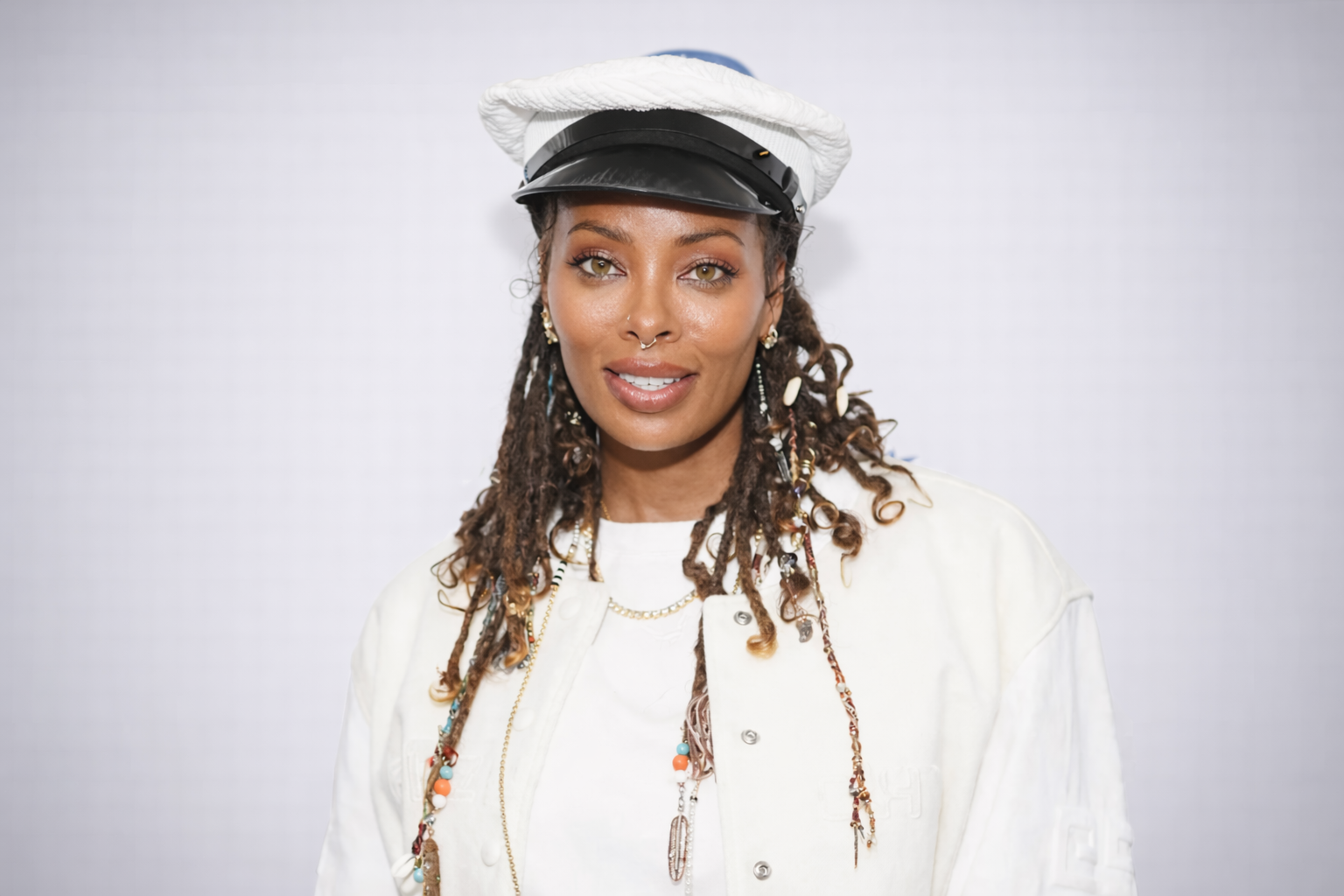
There’s something fascinating about celebrity rumors—the way they take shape, spread quickly, and often blur the line between fact and fiction. One such enduring curiosity revolves around the phrase “eva marcille twin sister.” It’s a search term that has intrigued fans, sparked online debates, and led many to wonder whether there’s a hidden chapter in the life of Eva Marcille. Yet, when you peel back the layers, what emerges is not a secret sibling story, but a compelling narrative about fame, identity, and public perception.
Early Life and Background
Eva Marcille, born Eva Marcille Pigford on October 30, 1984, in Los Angeles, California, grew up in a culturally rich and diverse environment that shaped her personality and ambitions. She was raised by her parents, Michelle Pigford and Evan Pigford, in a supportive household that encouraged creativity and independence. Despite the persistent rumors surrounding the keyword eva marcille twin sister, there is no verified evidence that she has a twin sibling or any identical sister.
Will You Check This Article: Cenelia Pinedo Blanco: A Quiet Name with Untold Depth
Eva attended Raymond Avenue Elementary School, Marina Del Rey Middle School, and later Washington Preparatory High School in Los Angeles. Her academic journey continued at Clark Atlanta University, where she initially pursued a degree in speech pathology. However, her life took a dramatic turn when she entered the world of modeling, leaving college early to chase a once-in-a-lifetime opportunity. Her upbringing, grounded in discipline and ambition, laid the foundation for a career that would soon capture national attention.
The Rise to Fame Through America’s Next Top Model
Eva Marcille’s breakthrough came in 2004 when she competed in and won Cycle 3 of America’s Next Top Model. Her victory was not just a win in a competition; it was a defining moment that catapulted her into the spotlight. Known then as Eva Pigford, she stood out for her confidence, resilience, and striking features.
Interestingly, during her rise to fame, the phrase eva marcille twin sister began circulating among fans who noticed her unique facial symmetry and expressive eyes. Some speculated she might have a twin due to her distinctive look, while others confused her with other models or actresses who shared similar features. However, these assumptions were never grounded in reality.
Winning the show opened doors to major modeling contracts, including a CoverGirl cosmetics deal and appearances in high-profile magazines. It also marked the beginning of a multifaceted career that would extend beyond modeling into acting and television.
Transition into Acting and Television Success
After establishing herself in the modeling world, Eva Marcille transitioned into acting with remarkable ease. She appeared in several television series, including roles in The Young and the Restless, where she played Tyra Hamilton, and later in shows like House of Payne and Real Husbands of Hollywood.
Despite her growing success, the curiosity around eva marcille twin sister persisted. Some viewers even speculated that a “lookalike” appearing in certain shows might be her twin, further fueling the myth. In reality, Eva’s versatility as an actress and her ability to embody different characters likely contributed to this confusion.
Her acting career demonstrated her depth and adaptability, proving she was far more than just a model. She brought emotional nuance and authenticity to her roles, earning respect within the entertainment industry.
Reality Television and Public Persona
Eva Marcille became a household name once again when she joined The Real Housewives of Atlanta. Her presence on the show introduced audiences to a more personal side of her life, including her relationships, motherhood, and career challenges.
During her time on the show, fans closely observed her family dynamics, which only intensified the search for information about eva marcille twin sister. However, throughout her appearances and public disclosures, Eva never mentioned having a twin. Instead, she often spoke about her children and her experiences as a mother, offering transparency that contradicts the rumor.
Her time on reality television allowed her to reshape her public image, presenting herself as grounded, thoughtful, and deeply committed to her family.
Family Life and Personal Relationships
Eva Marcille’s personal life has been both public and deeply personal. She is a mother of three children and has been open about her journey through relationships and motherhood. She shares her eldest daughter, Marley Rae, with musician Kevin McCall, and later married attorney Michael Sterling, with whom she has two sons.
The ongoing speculation about eva marcille twin sister often intersects with her family life, as fans attempt to piece together her personal history. However, credible sources and Eva herself have never confirmed the existence of a twin sibling. Instead, her family narrative centers around her role as a mother and her efforts to create a stable, loving environment for her children.
Her openness about her struggles and triumphs has made her relatable to many, further strengthening her connection with her audience.
The Origin of the Twin Sister Rumor
The question remains: why does the phrase eva marcille twin sister continue to trend? The answer lies in a combination of factors, including visual resemblance, media speculation, and the internet’s tendency to amplify unverified claims.
Eva’s striking features and ability to transform her appearance for different roles have led some to believe she has a twin. Additionally, the entertainment industry is filled with doppelgängers—individuals who look remarkably similar but are unrelated. In Eva’s case, these coincidences have been misinterpreted as evidence of a hidden twin.
Social media has also played a significant role. Once a rumor gains traction online, it can persist indefinitely, regardless of its accuracy. The phrase eva marcille twin sister is a prime example of how curiosity can evolve into widespread misconception.
Career Achievements and Financial Success
Eva Marcille’s career spans modeling, acting, and entrepreneurship. She has appeared in numerous fashion campaigns, television shows, and films, building a diverse portfolio that reflects her talent and determination. Over the years, she has also ventured into business, including launching her own eyewear line.
Her estimated net worth, while varying across sources, is generally believed to be in the range of several million dollars. This financial success is a testament to her hard work and strategic career choices.
Despite her accomplishments, the persistent interest in eva marcille twin sister highlights how public curiosity often extends beyond professional achievements into personal myths. Yet, Eva’s career stands strong on its own merits, independent of such rumors.
Public Image and Cultural Impact
Eva Marcille’s influence extends beyond entertainment. She has become a symbol of resilience, particularly for women navigating complex careers and personal lives. Her journey from a college student to a nationally recognized figure is both inspiring and instructive.
The ongoing चर्चा around eva marcille twin sister also reflects broader cultural patterns, where audiences seek deeper connections with public figures, sometimes creating narratives that fill perceived gaps. Eva, however, has maintained authenticity, addressing her life openly without entertaining unfounded claims.
Her impact lies not just in her achievements but in her ability to remain grounded amid constant scrutiny.
People also like this: Alissa Mahler: A Quiet Life Beyond Public Spotlight
Conclusion
The fascination with eva marcille twin sister is a compelling example of how rumors can take on a life of their own, especially in the age of digital media. While the idea of a hidden twin may seem intriguing, the truth is far more straightforward—Eva Marcille does not have a twin sister. What she does have is a rich, multifaceted life marked by ambition, talent, and resilience.
Understanding her story requires moving beyond speculation and appreciating the real journey she has undertaken. From her early days in Los Angeles to her rise in modeling and television, Eva Marcille’s life is a testament to perseverance and authenticity. The myth of a twin sister may persist, but her true narrative is far more powerful and inspiring.
FAQs
Is there any truth to the rumor about eva marcille twin sister?
No, there is no verified or credible evidence that Eva Marcille has a twin sister. The rumor appears to stem from visual similarities and online speculation rather than factual information.
Why do people believe eva marcille twin sister exists?
Many people assume she has a twin due to her distinctive features and resemblance to other individuals. Social media and repeated online searches have amplified this misconception over time.
How many siblings does Eva Marcille actually have?
Eva Marcille has kept much of her extended family life private, but there is no public record confirming a twin sibling. Her known family narrative does not include a twin sister.
Did Eva Marcille ever address the twin sister rumor publicly?
Eva has not directly addressed the specific rumor about having a twin sister. However, her public disclosures about her life do not support the existence of a twin.
What makes Eva Marcille’s story compelling despite the rumor?
Her journey from winning America’s Next Top Model to becoming a successful actress and entrepreneur is inspiring. Her authenticity and resilience make her story impactful beyond any unfounded rumors.
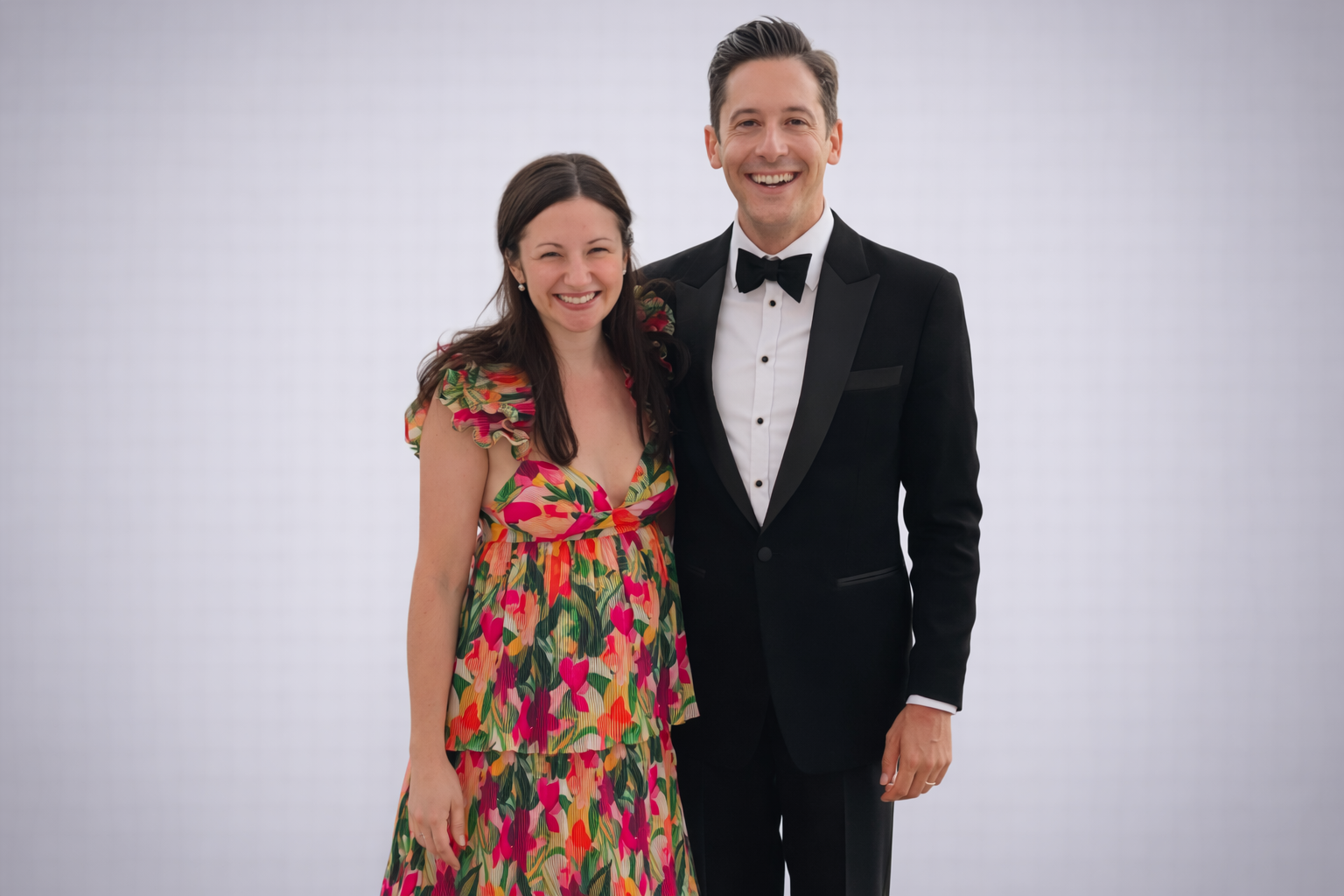
In an age where visibility often defines relevance, some individuals choose a different path—one that values privacy, intellectual depth, and personal authenticity over constant public exposure. Alissa Mahler represents precisely that kind of life. Though widely recognized as the wife of political commentator Michael Knowles, her story extends far beyond that association. It is a narrative rooted in education, quiet ambition, and a steadfast commitment to a life away from the noise of public scrutiny. Understanding her journey requires looking not only at what is visible but also at what she has intentionally chosen to keep private.
Early Life and Background
Alissa Mahler was born on July 2, 1990, in the United States, though the exact city of her birth has not been publicly disclosed. Her upbringing reflects a traditional American environment that emphasized education, intellectual curiosity, and personal development. While detailed information about her parents’ names and professions remains private, it is widely understood that her family encouraged academic excellence and critical thinking from an early age.
Will You Check This Article: Carla Diab: A Journey of Style, Strength, and Success
She grew up alongside siblings, though their identities have also been kept away from the public eye, reinforcing the family’s preference for privacy. During her childhood, she demonstrated a strong inclination toward learning, particularly in the fields of social sciences and history. Her early education took place in local schools, where she consistently excelled academically and participated in intellectually stimulating activities.
Her academic journey eventually led her to pursue higher education at Yale University, one of the most prestigious institutions in the world. At Yale, she focused on history and political science, immersing herself in rigorous academic study. It was during these formative years that she began to shape her worldview, combining analytical thinking with a deep understanding of historical contexts. Her time at Yale not only refined her intellectual abilities but also introduced her to influential networks and lifelong connections, including the person who would later become her husband.
Academic Excellence and Intellectual Pursuits
Throughout her academic career, Alissa Mahler distinguished herself as a dedicated and thoughtful student. Her studies were not merely about earning degrees but about engaging deeply with complex ideas and developing a nuanced understanding of societal structures. She demonstrated particular interest in political history and governance, subjects that require both analytical precision and interpretative skill.
Her time at Yale was marked by consistent academic achievement. She participated in discussions, research projects, and coursework that challenged conventional perspectives. Rather than seeking attention, she focused on building a strong intellectual foundation. Her academic discipline and curiosity positioned her as someone who valued substance over superficial recognition.
After completing her undergraduate studies, she continued to pursue advanced education. Reports suggest that she enrolled in graduate programs, further specializing in history and related disciplines. This continued commitment to learning underscores her identity as someone deeply invested in knowledge and scholarship rather than public fame.
Relationship with Michael Knowles
The relationship between Alissa Mahler and Michael Knowles began during their time at Yale University. Their connection developed organically, rooted in shared academic interests and intellectual compatibility. Unlike many high-profile relationships that evolve under public scrutiny, theirs grew quietly, away from media attention.
Michael Knowles, who later became a prominent political commentator and author, has often spoken about the importance of family and personal values. Their relationship reflects a mutual respect and understanding that goes beyond public personas. They dated for several years before deciding to formalize their commitment.
The couple married in 2018 in a private ceremony attended by close family and friends. The wedding itself was intentionally kept low-profile, reflecting their shared preference for privacy. Since then, their marriage has been characterized by stability and discretion, with both individuals maintaining a clear boundary between their personal and public lives.
Marriage and Family Life
Marriage marked a new chapter in Alissa Mahler’s life, one that blended personal fulfillment with the challenges of being connected to a public figure. Despite her husband’s increasing visibility in media and political discourse, she has consistently chosen to remain out of the spotlight.
The couple has children, though they have made a conscious decision to keep details about their family life private. This choice reflects a broader commitment to protecting their children’s upbringing from unnecessary public exposure. In an era where personal lives are often shared extensively online, their approach stands out as deliberate and thoughtful.
Alissa Mahler’s role within the family appears to be grounded in stability and support. While her husband engages in public debates and media appearances, she provides a foundation that allows for balance and continuity. Her ability to maintain this equilibrium highlights her strength and clarity of purpose.
Professional Life and Career Path
Unlike many individuals associated with public figures, Alissa Mahler has not pursued a career in media or entertainment. Instead, her professional interests align more closely with academia and research. Her educational background suggests a strong foundation in historical analysis and scholarly inquiry.
While specific details about her professional roles remain limited, it is believed that she has engaged in academic or research-related work. Her inclination toward intellectual pursuits indicates a preference for environments that value depth, critical thinking, and meaningful contribution.
Her career path reflects a broader philosophy of life—one that prioritizes substance over visibility. Rather than leveraging her association with a public figure for personal gain, she has chosen to cultivate her own identity through education and intellectual engagement.
Privacy in a Public World
One of the most defining aspects of Alissa Mahler’s life is her commitment to privacy. In a digital age where personal information is often readily accessible, she has successfully maintained a low profile. This is not accidental but a conscious decision shaped by her values and priorities.
Her limited presence on social media platforms further reinforces this approach. Unlike many public figures or their spouses, she does not actively share personal updates or engage with online audiences. This absence of digital visibility allows her to maintain control over her narrative and avoid unnecessary scrutiny.
This commitment to privacy also reflects a broader cultural conversation about boundaries and personal space. By choosing not to participate in the public spectacle, she challenges the assumption that visibility is necessary for relevance.
Influence and Public Perception
Despite her low public profile, Alissa Mahler has garnered attention due to her association with Michael Knowles. Public curiosity about her life often stems from a desire to understand the person behind the scenes. However, her limited public appearances and statements mean that much of her influence is indirect.
She represents a different kind of presence—one that does not rely on visibility but on quiet strength and intellectual grounding. For many, this approach is both refreshing and intriguing. It suggests that influence can exist without constant exposure.
Her story resonates with individuals who value privacy and authenticity. In a world that often equates success with recognition, she offers an alternative perspective—one where fulfillment comes from personal integrity and meaningful relationships.
Lesser-Known Facts and Insights
There are several aspects of Alissa Mahler’s life that are not widely known but contribute to a deeper understanding of her شخصیت. She is believed to have a strong interest in literature and historical research, often engaging with complex texts and scholarly work.
Her academic background indicates a capacity for critical analysis and thoughtful interpretation, skills that extend beyond the classroom. She is also known to value tradition and family-oriented principles, which are reflected in her lifestyle choices.
Another notable aspect is her ability to maintain consistency in her values despite external pressures. In a world where public perception often dictates behavior, she has remained steadfast in her commitment to privacy and intellectual pursuit.
People also like this: Cenelia Pinedo Blanco: A Quiet Name with Untold Depth
Conclusion
Alissa Mahler’s life is a compelling example of how one can navigate the complexities of modern society without sacrificing personal values. Her journey is not defined by public recognition but by quiet determination, intellectual depth, and a clear sense of purpose. While many seek validation through visibility, she has chosen a path that prioritizes authenticity and meaningful engagement.
Her story challenges conventional narratives about success and influence. It reminds us that there is strength in privacy, dignity in discretion, and power in choosing one’s own path. In understanding her life, we gain insight into a perspective that is often overlooked but deeply significant.
FAQs
Who is Alissa Mahler?
Alissa Mahler is an American individual best known as the wife of political commentator Michael Knowles. She is recognized for her academic background and her commitment to maintaining a private personal life away from public attention.
When was Alissa Mahler born?
She was born on July 2, 1990, in the United States. However, specific details about her exact birthplace have not been publicly disclosed, reflecting her preference for privacy.
What is Alissa Mahler’s educational background?
Alissa Mahler studied at Yale University, where she focused on history and political science. She later pursued further academic studies, demonstrating a strong commitment to intellectual growth and scholarship.
Is Alissa Mahler active on social media?
No, she maintains a very limited or nonexistent presence on social media platforms. This aligns with her overall approach to privacy and her desire to keep her personal life out of the public domain.
Does Alissa Mahler have children?
Yes, she has children with Michael Knowles. However, the couple has chosen to keep details about their family life private, ensuring their children grow up away from public scrutiny.
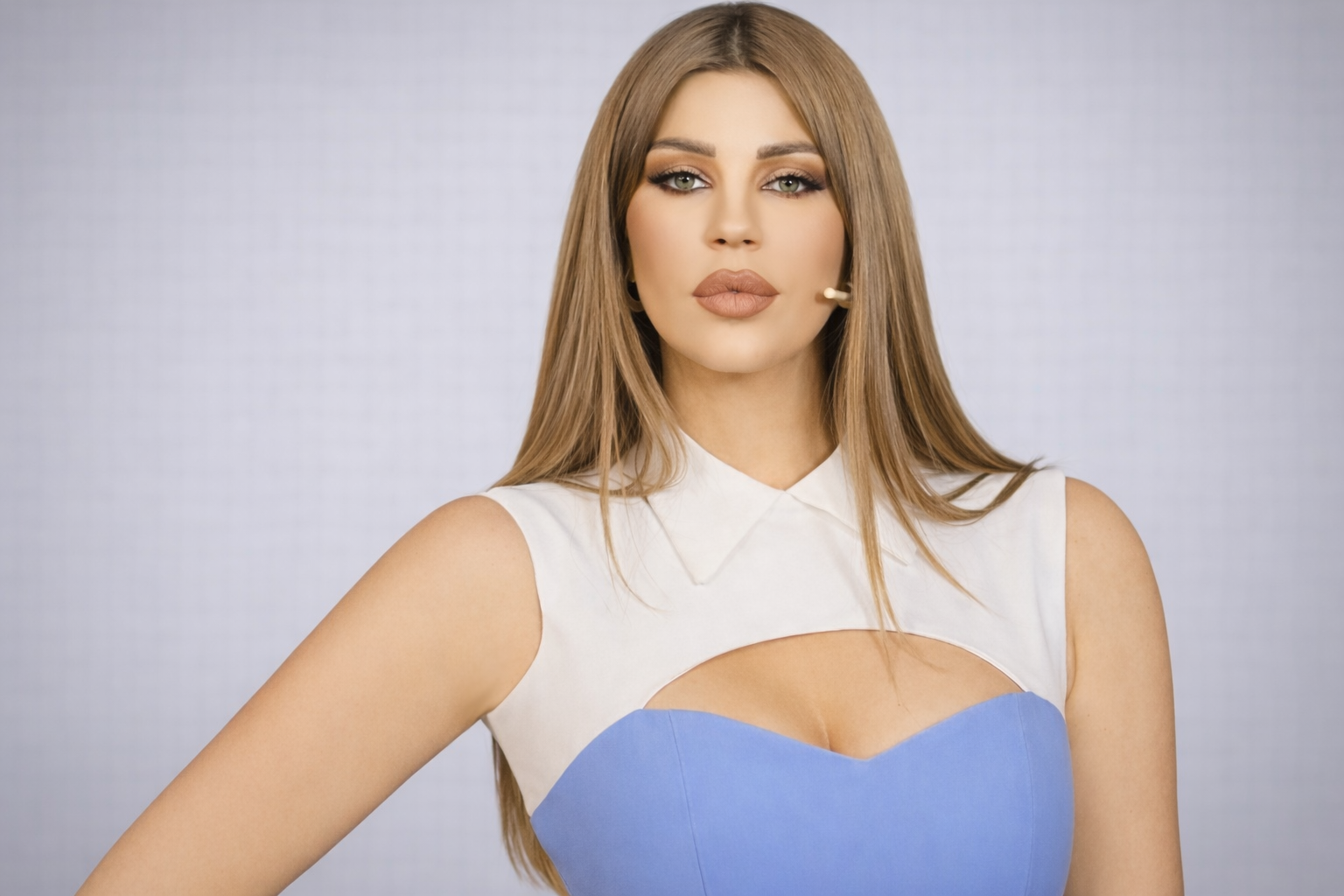
There are stories that unfold quietly, and then there are those that shimmer with ambition, resilience, and reinvention. The life of Carla Diab belongs unmistakably to the latter. Known for her presence in fashion, television, and business circles, she represents a modern blend of creativity and entrepreneurship. Yet beyond the polished public image lies a layered narrative—one shaped by cultural roots, personal discipline, and a relentless pursuit of individuality. Her journey is not simply about fame or fashion; it is about carving identity across continents, industries, and expectations.
Early Life and Background
Carla Diab was born on October 11, 1985, in Cleveland, Ohio, United States, into a Lebanese-American family that valued both tradition and ambition. Growing up in a culturally rich household, she was exposed early to a blend of Middle Eastern heritage and American modernity, which would later influence her aesthetic sensibilities and professional choices. Her parents, whose names have remained largely private, were supportive figures who encouraged education and independence, while her upbringing instilled a strong sense of discipline and cultural pride.
Will You Check This Article: The Troubled Story of Jason Handy: Fame, Crime, and Fallout
During her childhood, Carla Diab demonstrated a natural inclination toward creativity, particularly in fashion and design. She attended local schools in Ohio before pursuing higher education at Cleveland State University. Later, she further expanded her academic exposure by studying fashion-related disciplines, reportedly attending courses at institutions such as the Lebanese American University in Beirut. These educational experiences allowed her to build a foundation that combined Western fashion perspectives with Middle Eastern cultural influences, shaping her distinctive approach to design and branding.
Her early years were not marked by instant fame but by gradual growth, learning, and exploration. Living between the United States and Lebanon exposed her to diverse lifestyles, which enriched her worldview and later became a defining element in her professional identity.
Entry Into the Fashion Industry
The entry of Carla Diab into the fashion world was not accidental but the result of deliberate effort and vision. After completing her education, she began exploring opportunities within the fashion industry, initially working behind the scenes to understand the mechanics of design, production, and branding. These formative years allowed her to develop technical expertise and industry awareness.
Her breakthrough came when she launched her own fashion label, focusing on contemporary women’s wear that blended elegance with modern sensibility. Carla Diab’s designs quickly gained attention for their refined silhouettes, attention to detail, and cultural fusion. Her work often reflected a balance between sophistication and boldness, appealing to women seeking both confidence and individuality in their clothing.
Unlike many designers who rely solely on aesthetics, she approached fashion as a storytelling medium. Each collection carried an emotional undertone, often inspired by her personal experiences, heritage, and evolving identity. This narrative-driven approach helped her establish a loyal audience and positioned her as more than just a designer—it made her a brand storyteller.
Rise to Media Recognition
While fashion provided the foundation of her career, Carla Diab’s visibility expanded significantly through media appearances. Her involvement in television and entertainment introduced her to a broader audience, particularly in the Middle East. She gained recognition through reality television and lifestyle programming, where her personality and style resonated with viewers.
Her participation in shows linked to Lebanese media brought her into the spotlight, allowing audiences to connect with her beyond her professional work. Unlike scripted personas, Carla Diab presented herself authentically—confident yet relatable, stylish yet grounded. This authenticity played a crucial role in building her public image.
Media exposure also strengthened her brand presence, as it allowed her to merge fashion with entertainment. She became a recognizable figure not only for her designs but also for her charisma and communication skills. This dual identity—as both designer and media personality—distinguished her from many of her contemporaries.
Entrepreneurial Ventures and Business Growth
Carla Diab’s journey extends beyond fashion and television into the realm of entrepreneurship. She demonstrated a keen understanding of business by expanding her brand into multiple ventures. Her ability to identify opportunities and adapt to market trends has been a defining characteristic of her success.
Her business ventures have included fashion retail, brand collaborations, and consultancy roles within the industry. Carla Diab has shown a strong grasp of branding, using her personal image to reinforce her business identity. This strategic alignment between personal brand and commercial ventures has contributed significantly to her financial growth.
In addition to fashion, she has explored investments and partnerships that reflect her interest in long-term stability rather than short-term gains. Her approach to entrepreneurship is calculated yet creative, blending artistic passion with business intelligence. This balance has enabled her to sustain relevance in a highly competitive industry.
Cultural Identity and Influence
One of the most compelling aspects of Carla Diab’s life is her connection to her cultural roots. Being of Lebanese descent while raised in the United States gave her a unique perspective that she has consistently incorporated into her work. Her designs often reflect elements of Middle Eastern elegance combined with Western modernity.
This cultural duality is not merely aesthetic but deeply personal. Carla Diab has spoken about the importance of embracing one’s heritage while adapting to contemporary environments. Her journey between Lebanon and the United States allowed her to act as a bridge between cultures, influencing both her creative output and public persona.
Her influence extends beyond fashion into representation. She has become a figure who embodies cultural pride without limiting herself to traditional boundaries. This ability to navigate multiple identities has resonated with audiences who see in her a reflection of their own hybrid experiences.
Personal Life and Public Perception
Despite her public presence, Carla Diab has maintained a degree of privacy regarding her personal life. She has been linked to various relationships over the years, though she has largely chosen to keep such matters away from intense media scrutiny. This balance between openness and discretion has contributed to her dignified public image.
As a mother, Carla Diab has occasionally shared glimpses of her family life, emphasizing the importance of balancing professional ambition with personal responsibilities. Her approach to motherhood reflects the same discipline and dedication that define her career.
Public perception of Carla Diab is shaped by her confidence, style, and independence. She is often seen as a role model for women who aspire to build careers while maintaining their individuality. Her image is not built on controversy but on consistency, professionalism, and authenticity.
Financial Success and Net Worth
Carla Diab’s financial success is a reflection of her diversified career. While exact figures are not publicly verified, estimates suggest that her net worth is in the range of several million dollars. This wealth is derived from her fashion brand, media appearances, business ventures, and endorsements.
Her financial journey highlights the importance of multiple income streams in modern careers. Rather than relying solely on one industry, Carla Diab has built a portfolio that includes fashion, media, and entrepreneurship. This strategic diversification has ensured both stability and growth.
Her lifestyle, often showcased through social media, reflects her success while maintaining a sense of sophistication. Unlike excessive displays of wealth, her presentation is curated and aligned with her brand identity, reinforcing her image as a refined and successful professional.
Challenges and Resilience
No successful journey is without challenges, and Carla Diab’s path has been no exception. Navigating multiple industries, cultural expectations, and public scrutiny required resilience and adaptability. She faced the pressures of maintaining relevance in competitive environments while staying true to her identity.
Her ability to overcome obstacles lies in her mindset. Carla Diab approaches challenges as opportunities for growth rather than setbacks. This perspective has allowed her to evolve continuously, whether in fashion, media, or business.
Resilience, in her case, is not about dramatic comebacks but about steady persistence. It is reflected in her consistency, her willingness to learn, and her commitment to excellence. These qualities have played a crucial role in sustaining her career over time.
Legacy and Ongoing Influence
As her career continues to evolve, Carla Diab’s legacy is already taking shape. She represents a modern archetype of success—one that blends creativity, business acumen, and cultural awareness. Her influence can be seen in aspiring designers, entrepreneurs, and media personalities who look up to her journey.
Her work has contributed to redefining how fashion intersects with identity and storytelling. Carla Diab has shown that success is not confined to one path but can be built through multiple avenues, each reinforcing the other.
Her ongoing projects and presence in the public eye suggest that her influence will continue to grow. Rather than resting on past achievements, she remains actively engaged in expanding her brand and exploring new opportunities.
People also like this: Cenelia Pinedo Blanco: A Quiet Name with Untold Depth
Conclusion
The story of Carla Diab is one of evolution, determination, and purposeful ambition. From her early days in Ohio to her prominence in fashion and media, she has navigated her journey with clarity and confidence. Her life reflects the power of embracing one’s roots while pursuing global opportunities.
What sets Carla Diab apart is not just her success but the way she has achieved it—through authenticity, resilience, and strategic vision. She stands as a testament to the idea that identity can be both personal and professional, and that true success lies in aligning the two. As her journey continues, she remains a figure of inspiration for those seeking to build meaningful and multifaceted careers.
FAQs
Who is Carla Diab?
Carla Diab is a Lebanese-American fashion designer, entrepreneur, and media personality known for her work in fashion and television, as well as her influential public presence.
What is Carla Diab’s date of birth?
Carla Diab was born on October 11, 1985, in Cleveland, Ohio, United States, into a Lebanese-American family.
What is Carla Diab known for professionally?
She is best known for her fashion design work, her personal brand, and her appearances in media, particularly within Middle Eastern television and lifestyle programming.
Does Carla Diab have a fashion brand?
Yes, Carla Diab launched her own fashion label, focusing on contemporary women’s clothing that blends elegance with modern design influences.
What is Carla Diab’s net worth?
While exact figures are not publicly confirmed, her net worth is estimated to be in the millions, generated through fashion, business ventures, and media involvement.
-
 Celebrity1 day ago
Marie Fargus: The Life, Work, and Legacy of a Timeless Voice
-

 Business1 day ago
Mark McCann Net Worth and Business Success Story
-
 Celebrity1 day ago
Valeria Chomsky: The Life and Story Behind the Brazilian Translator
-

 Celebrity1 day ago
Is Elizabeth Rizzini Still Married? Truth Revealed
-

 Blogs5 hours ago
Do the driving modes in cadillac lyriq offer different ranges or battery usages?
-

 Tech2 days ago
puzutask com Platform: Hidden Productivity Engine Guide
-

 Tech2 days ago
adiltqork: Unlocking the Hidden Meaning and Modern Relevance
-

 Blogs4 hours ago
rn fundamentals 2016 70 questions: Exam Insight Guide