
Celebrity
Jane Dobbins Green: The Quiet Life of Ray Kroc’s Second Wife

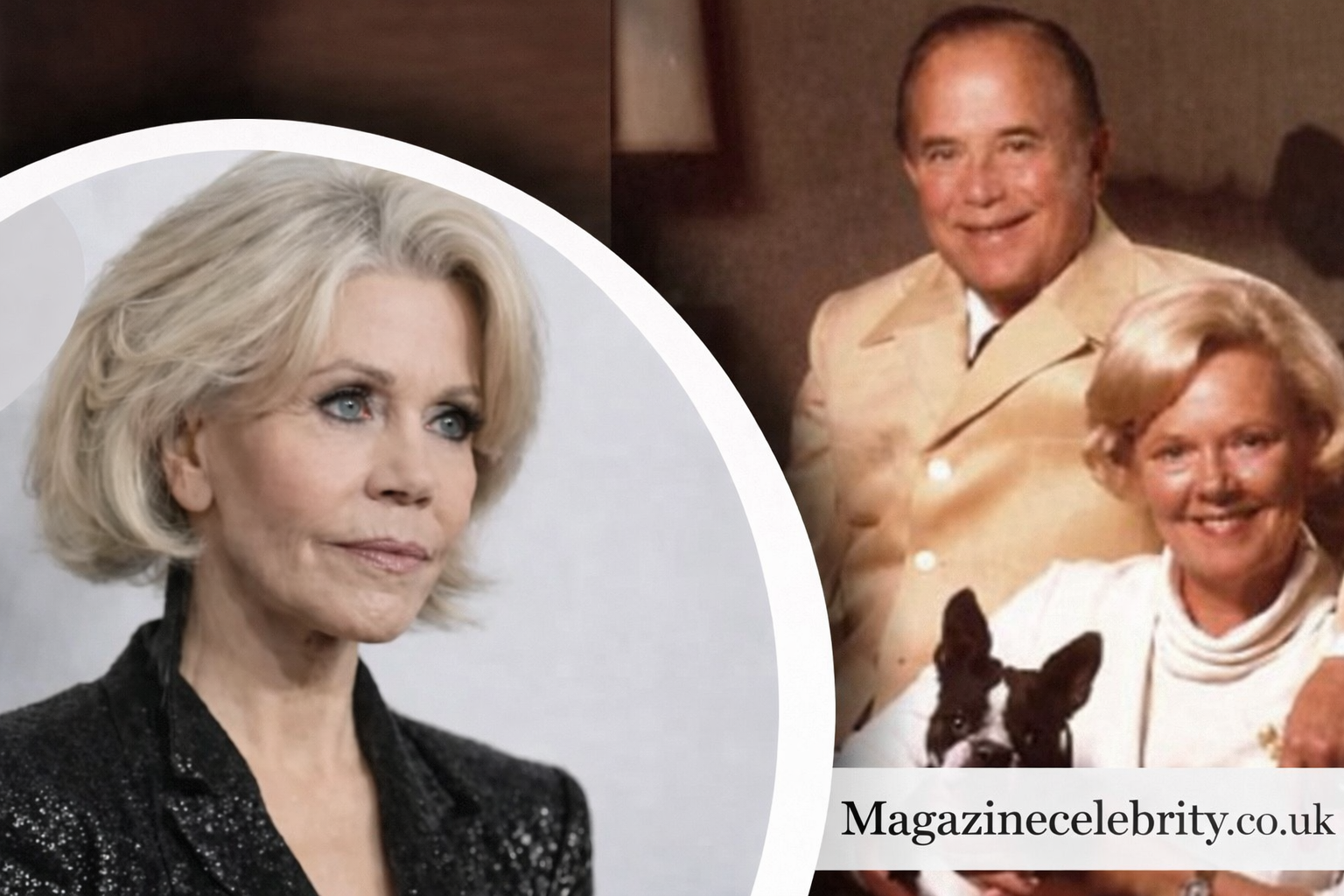
Jane Dobbins Green was a private woman who briefly stepped into the spotlight through her marriage to Ray Kroc, the American businessman behind the global expansion of McDonald’s. Her story matters because it shows how a reserved, low‑profile person became part of one of the most famous business journeys in modern history, yet chose to live most of her life away from fame.
Quick Bio of Jane Dobbins Green
| Detail | Information |
|---|---|
| Full Name | Jane Dobbins Green (later Jane E. Dobbins Whitney) |
| Known For | Second wife of businessman Ray Kroc |
| Date of Birth | November 22, 1911 |
| Place of Birth | Walla Walla, Washington, United States |
| Date of Death | August 7, 2000 |
| Age at Death | 88 years |
| Nationality | American |
| Occupation (Reported) | Secretary, reportedly worked for actor John Wayne |
| Famous Spouse | Ray Kroc (married 1963–1968) |
| Later Spouse | Paul D. Whitney (married 1984–2000) |
| Resting Place | Westwood Memorial Park, Los Angeles, California |
Early Life and Family Background of Jane Dobbins Green
Jane Dobbins Green was born on November 22, 1911, in Walla Walla, Washington, a small city in the Pacific Northwest of the United States. She grew up in an era shaped by the aftermath of World War I and the Great Depression, which likely influenced her values of stability and privacy. Records indicate that her parents were Myrtle Duncan Frechette and Warren David Dobbins, and she was of white ethnicity and American nationality. Her background was modest compared to the fame she later encountered through Ray Kroc.
Will You Check This Article: Ana Luz Rodriguez-Paz: Therapist and Loving Wife
Unlike many public figures associated with famous spouses, there’s limited public information about Jane’s childhood, schooling, or early ambitions. This scarcity itself reveals a lot: she didn’t seek publicity, didn’t write books, and didn’t give interviews about her private life. For readers curious about lesser‑known figures around big names, this quiet, almost hidden early life is a key part of understanding who Jane Dobbins Green was.
Career and Work Life Before Fame
Before marrying Ray Kroc, Jane Dobbins Green reportedly worked as a secretary, a role that was common for women entering professional environments in the mid‑20th century. Some sources suggest she served as a secretary for John Wayne, one of Hollywood’s most prominent movie stars, which would have placed her close to the entertainment world without making her a public personality herself. This kind of position required organization, discretion, and reliability—traits that fit the rest of what’s known about her life.
There isn’t a detailed, verified timeline of her full career path, but the available information points to a woman who was comfortable working behind the scenes. Instead of using connections for personal publicity, Jane seems to have treated work as a job, not a launchpad to public recognition. That pattern later repeated in her relationship with Ray Kroc, where she stayed largely in the background even while standing beside one of the most talked‑about business figures of his time.
How Jane Dobbins Green Met Ray Kroc
Ray Kroc, born in 1902, was already a driven businessman long before he became widely known for his role in building McDonald’s into a major fast‑food corporation. By the early 1960s, he had ended his first marriage to Ethel Fleming after nearly four decades together, during which they had a daughter named Marilyn. Around this period of personal and professional transition, Jane Dobbins Green entered his life.
Sources differ on the exact circumstances of their first meeting, but they agree that Jane and Ray connected during a pivotal moment in his career, when he was deeply focused on expanding McDonald’s across the United States. Jane’s calm, reserved personality reportedly balanced Ray’s intense, high‑energy approach to business, offering him emotional steadiness in a demanding time. For many observers, this contrast—his ambition and her quiet presence—is central to understanding their relationship.
The Marriage of Jane Dobbins Green and Ray Kroc (1963–1968)
Jane Dobbins Green married Ray Kroc on February 23, 1963. At that time, Ray was at the height of his corporate climb, having purchased McDonald’s in 1961 and aggressively expanding the brand nationwide. The couple reportedly lived in Woodland Hills, California, in a home that even overlooked one of Ray’s McDonald’s locations, symbolizing how intertwined his personal and business lives had become.
From the outside, it might have looked like a successful businessman had found a supportive companion to share his growing success. However, several accounts note that the marriage faced serious challenges from the beginning because Ray already had strong feelings for another woman, Joan, who would later become his third wife. Those unresolved emotions created a complicated dynamic, making Jane’s role in his life less secure than it appeared.
Despite this, Jane maintained her composure and dignity throughout their five‑year union. She supported Ray during a critical period of McDonald’s expansion, even as their personal relationship struggled under the weight of his divided loyalties. The marriage ended in 1968, clearing the way for Ray to marry Joan in 1969, a relationship that continued until his death in 1984.
Why Their Marriage Was So Short‑Lived
The marriage between Jane Dobbins Green and Ray Kroc lasted only from 1963 to 1968, a brief chapter compared to his 39‑year first marriage and his long final marriage to Joan. A key reason often cited is Ray’s emotional attachment to Joan, whom he had met earlier while she was working as an organist at the Criterion Restaurant in St. Paul, Minnesota, in 1957. Even while married to Jane, Ray never fully let go of his feelings for Joan, which placed a strain on his second marriage.
Accounts describe Jane as someone who tried to provide support and stability but found herself competing with a relationship that existed mostly in Ray’s heart and mind. With Ray’s attention torn between his growing business and his feelings for another woman, their union lacked the emotional foundation that a lasting partnership needs. By 1968, the couple’s separation became inevitable, and their divorce closed this short but significant chapter in both of their lives.
For many people studying the life of Ray Kroc, the story of Jane Dobbins Green highlights how success in business doesn’t guarantee clarity or stability in personal relationships. Her experience shows how easily someone can be written out of a narrative when they aren’t the first or final partner in a famous person’s life.
Life After Divorce: A Return to Privacy
Once her marriage to Ray Kroc ended in 1968, Jane Dobbins Green chose a very different path from what many might expect of a former spouse of a high‑profile businessman. Instead of giving interviews, writing memoirs, or seeking public attention, she stepped away from the spotlight and rebuilt her life quietly. For about sixteen years, she lived largely out of public view, staying in the background while Ray and McDonald’s continued to attract media interest.
In 1984, Jane married Paul D. Whitney, entering a partnership that appears to have been far more peaceful and private than her union with Ray. They lived together in Los Angeles, leading what sources describe as a comfortable and low‑key life until her death in 2000. This later marriage suggests that she eventually found the emotional stability and personal contentment that had been missing in her earlier, more complicated relationship.
This phase of her life is important because it shows that Jane Dobbins Green was much more than just “Ray Kroc’s second wife.” She made choices that prioritized peace and privacy over publicity, even though she could easily have capitalized on her connection to a highly recognizable name.
Personal Traits and Public Image
Most descriptions of Jane Dobbins Green portray her as calm, composed, and reserved. These traits fit with her long‑term willingness to stay out of the media and avoid exploiting her famous marriage. While the public doesn’t have detailed interviews or personal writings to draw from, the way she lived—especially after her divorce—speaks volumes about her character.
As a secretary and later a celebrity spouse, she occupied roles where discretion and loyalty were valued. Even during a challenging marriage marked by Ray Kroc’s feelings for someone else, she’s described as maintaining dignity instead of engaging in public conflict. After their separation, she allowed the focus to remain on Ray’s business and later on Joan’s philanthropy, rather than trying to reclaim attention for herself.
In modern terms, someone like Jane would probably be described as a deeply private person who preferred authenticity and quiet living over fame. Her story appeals to people who are curious about the lesser‑known individuals around powerful figures and who value the idea that not everyone connected to fame wants it for themselves.
How Jane Dobbins Green Fits Into Ray Kroc’s Larger Story
Ray Kroc’s life is often summarized through three marriages: his long first marriage to Ethel Fleming, his brief second marriage to Jane Dobbins Green, and his final marriage to Joan Beverly Kroc, who became widely recognized for her philanthropy. In that sequence, Jane sits in the middle, bridging Ray’s early domestic life and his later public legacy.
During the years Jane and Ray were together, McDonald’s was experiencing rapid expansion across the United States. Even though Jane wasn’t running the company or making public business decisions, she provided personal support at a time when Ray was under intense pressure to grow and oversee the brand. Their home life in Woodland Hills, overlooking a McDonald’s location, symbolized how closely their personal world was tied to his professional mission.
From a historical perspective, Jane’s marriage to Ray marks a transitional phase in his life: the end of his long first marriage, the height of his focus on business growth, and the beginning of his relationship with Joan, who would later manage his fortune and philanthropic legacy. Without Jane, there would be a missing link in understanding the emotional and personal shifts that shaped Ray Kroc during some of his most intense working years.
Later Years, Passing, and Legacy
Jane Dobbins Green lived until August 7, 2000, when she died in Los Angeles, California, at the age of 88. She was laid to rest at Westwood Memorial Park in Los Angeles, a cemetery known for being the resting place of many notable figures, though she herself remained far less public than many of them. The cause of death has been reported as natural causes related to old age, with no widely documented health scandals or controversies surrounding her passing.
She spent her final years married to Paul D. Whitney, and their union lasted from 1984 until her death, suggesting a stable, long‑term partnership built away from cameras and headlines. There’s no public record of her writing memoirs or participating in major public events about Ray Kroc or McDonald’s, which is consistent with the rest of her life story: quiet, dignified, and intentionally private.
Today, when people search for “Jane Dobbins Green,” they often want to know who she was, how long she was married to Ray Kroc, whether they had children, and what eventually happened to her. The answers paint a picture of a woman who briefly intersected with global business history but chose not to be defined solely by that connection.
Common Questions About the Life of Jane Dobbins Green
People researching Jane Dobbins Green are usually interested in a mix of personal, relational, and historical details. They want to understand not just dates and names, but also how she fits into the larger story of Ray Kroc and the world that surrounded him. Her life offers a human perspective on a narrative often dominated by business numbers and corporate milestones.
People also like this: Nicole Threatt: From NBA Courtside to Music Mogul’s Muse
In many biographies of Ray Kroc, her name appears briefly, sometimes only as a line in a list of spouses, which leaves a lot of space for curiosity. Articles dedicated to her have emerged more recently, aiming to give her story more depth and context. These efforts highlight just how many stories often remain in the shadows when history focuses on the most visible figures.
Conclusion
Jane Dobbins Green lived most of her life out of the public eye, yet her five‑year marriage to Ray Kroc placed her at the edge of one of the most influential business stories of the 20th century. She was a reserved, private woman who supported a powerful businessman during a critical phase of his career and then quietly moved on to build a peaceful life beyond fame. Her journey shows that even in the middle of great public success, there are personal stories of quiet strength and dignity that deserve to be remembered.
Frequently Asked Questions (FAQs)
1. Who was Jane Dobbins Green?
Jane Dobbins Green was the second wife of Ray Kroc, the American businessman known for expanding McDonald’s into a global fast‑food giant. She was a private American woman who largely stayed out of public view despite her connection to him.
2. When were Jane Dobbins Green and Ray Kroc married?
Jane Dobbins Green and Ray Kroc were married from 1963 to 1968, a five‑year period during the height of his business expansion. Their relationship ended in divorce, after which Ray went on to marry Joan Beverly Kroc in 1969.
3. Did Jane Dobbins Green and Ray Kroc have children?
No, there’s no record of Jane Dobbins Green and Ray Kroc having children together. Ray had a daughter, Marilyn, from his first marriage to Ethel Fleming, but his marriage to Jane did not produce any known offspring.
4. What did Jane Dobbins Green do for a living?
Before her marriage to Ray Kroc, Jane Dobbins Green reportedly worked as a secretary and is said to have served as a secretary for Hollywood actor John Wayne. Beyond that, details about her broader career remain limited, reflecting her preference for a low public profile
5. When did Jane Dobbins Green die, and how old was she?
Jane Dobbins Green died on August 7, 2000, in Los Angeles, California. She was 88 years old at the time of her death and was laid to rest at Westwood Memorial Park in Los Angeles.


Introduction
By 2026, Ivy Steele has established herself as one of the most popular adult performers and cosplay artists on the internet with their gaming community, cosplaying and content creation for direct-to-fan audiences. Steele’s fame has grown beyond the adult entertainment sector due to her lavish costume designs, social media activism, and advocacy for creator rights, resulting in a dedicated fanbase worldwide.
|
Category |
Information |
|---|---|
|
Full Name |
Ivy Steele – stage name |
|
Profession |
Trans adult film actress, cosplay model, content creator |
|
Identity |
Transgender woman |
|
Nationality |
American |
|
Career Start |
∼2021–2022 |
|
Status 2026 |
Active performer and creator |
|
Primary Niche |
Video game & anime cosplay adult content |
|
Main Platforms |
OnlyFans, ManyVids, Twitter/X @TheIvySteele |
|
SFW Platforms |
Instagram, TikTok, Twitch – cosplay & gaming |
|
Major Studios |
Evil Angel, TransAngels, Grooby, GenderX, TransSensual |
|
Content Style |
Cosplay scenes, solo content, custom videos, livestreams |
|
Top Cosplays |
Overwatch, League of Legends, Genshin Impact, Street Fighter, Resident Evil |
|
Awards |
AVN Awards nominated 2024–2025, Trans Erotica Awards (TEA) nominated |
|
Categories |
Best Trans Newcomer, Best Scene, Fan Choice |
|
Social Following 2026 |
500K+ on X/Twitter, 200K+ Instagram, Top 0.1% OnlyFans |
|
Business Model |
Subscription-based OnlyFans, clip sales, customs, brand deals |
|
Advocacy |
Trans rights, sex worker rights, anti-censorship, FOSTA-SESTA reform |
|
Mainstream Features |
Adult podcasts, cosplay magazines, panels on trans representation |
|
Industry Impact |
Dual SFW/NSFW brand, normalizing trans visibility in geek culture |
|
Challenges 2026 |
Instagram/TikTok bans, payment processor issues, AI deepfakes |
|
Brand Partnerships |
Cosplay suppliers, SFW gaming brands supporting creator crossover |
|
Posting Frequency |
Daily OnlyFans updates, weekly scene releases |
|
Fan Base |
Gaming community, anime fans, trans adult audience |
|
Notable 2026 |
Top earner in trans adult, spokesperson for creator economy issues |
Who Is Ivy Steele?
Ivy Steele is a transgender content creator, cosplay model and porn performer from the United States that began her adult career in 2021-2022. Soon, she began to create her own content based on cosplaying which meant recreating characters from popular anime, video games, comics and fantasy series.
Instead of going the traditional route of studios, Steele has cultivated a recognizable personal brand on Twitter/X, Instagram, TikTok, Twitch and others. She has managed to resonate with both gamers and grown-up watchers, making her a recognizable figure in the digital scene.
Quick Facts (2026)
- Leave One Out: Avani Jain
- Identity: Trans woman
- Nationality: American
- Career Debut: Around 2021–2022
- Occupations: Performer, Cosplayer, Online creator
Career Highlights and Industry Recognition
Ivy Steele has worked with several famous studios such as Evil Angel, TransAngels, Grooby, GenderX, and TransSensual since she began working in the industry. She also has active subscription pages on OnlyFans and ManyVids, providing exclusive content straight to her subscribers.
In 2024–2025, Steele was nominated for AVN Awards and Trans Erotica Awards (TEA) in a number of categories including Best Trans Newcomer, Best Scene and Fan Choice. As of 2026, she has yet to win any major industry awards but is considered a fan favorite and promising talent in the industry.
Cosplay Brand and Gaming Influence
A characteristic of Ivy Steele’s that’s truly notable is her emphasis on quality cosplay. She creates characters inspired by popular franchises such as Overwatch, League of Legends, Genshin Impact, Street Fighter, Resident Evil and Marvel/DC Comics.
What truly sets her apart are her meticulously crafted and detailed cosplay looks, her impeccable character representation, and her passion for gaming culture. Steele has also found a way to do that, using platforms such as Twitch, to interact with fans of non-adult content, so that she can reach a larger audience, but still have her own creative works.
A social media presence and digital business
Ivy Steele is a successful creator business by 2026, and her business model is based on subscription platforms and social media.
She has been active on Twitter/X (TheIvySteele), Instagram, and TikTok, posting cosplay photos, behind the scenes, livestream announcements, and updates for fans. According to industry estimates, she has accrued around 500,000+ followers on X, 200,000+ followers on Instagram and is among the Top 0.1% creators on OnlyFans based on earnings.
This strategy of providing safe-for-work-style cosplay content with subscription-based premium content is a noteworthy example of creator entrepreneurship today.
Advocacy and Industry Impact
In addition to being entertainers, Ivy Steele is a public speaker on topics such as transgender visibility, sex worker rights and the issues facing online creators. She has spoken about issues like payment processing restrictions, social moderation, and the effect regulations have on adult content creators.
In addition to raising concerns about deepfake misuse, online impersonation and creator protections, which are crucial issues in the digital content sector in 2025-2026, Steele has spoken on them as well. Her advocacy is part of the larger discussion on creator rights and online safety.
Why Ivy Steele Matters in 2026
Ivy Steele is a new breed of creators who are also independent entrepreneurs and cosplay enthusiasts, as well as having a knack for digital media skills, and are able to create careers that are sustainable. She has a knack for managing several online platforms, working with established studios, and developing an identifiable personal brand, making her a prominent name in her industry.
In the rapidly evolving world of online entertainment, platforms driven by creators are reshaping the landscape, and Ivy Steele serves as a shining example of how branding, audience engagement, and niche expertise can lead to long-term success.
Key Facts (2026)
- Interest: Transgender adult performer, cosplay modeling, digital creation.
- Style: Online content maker, Game and Anime cosplay,
- Participants: 41 students, 3 staff members, 13 faculty members, and 3 administrators.The group consisted of 41 students, 3 staff, 13 faculty and 3 administrators.
- The video’s platform compatibility is as follows:
- OnlyFans
- ManyVids
- Twitter/X (TheIvySteele)
- TikTok
- Award Nominations: AVN Award Nominations and TEA Award Nominations (2024-2025)
- Advocacy: Creator rights, transgender visibility, Digital platform issues
- The Following segment on X and Instagram estimates itself at 500K+ and Top 0.1% OnlyFans creator respectively.
- Status: Performing and content-producing in 2026.
Conclusion
By 2026, Ivy Steele has established herself as one of the most popular adult performers and cosplay artists on the internet with their gaming community, cosplaying and content creation for direct-to-fan audiences. Steele’s fame has grown beyond the adult entertainment sector due to her lavish costume designs, social media activism, and advocacy for creator rights, resulting in a dedicated fanbase worldwide.
FAQ
Who is Ivy Steele?
Ivy Steele is a transgender content creator, cosplay model and porn performer from the United States that began her adult career in 2021-2022.
What is Ivy Steele known for?
She is known for adult content creation, cosplay modeling, gaming-inspired costumes, and content creation for direct-to-fan audiences.
Which studios has Ivy Steele worked with?
Ivy Steele has worked with Evil Angel, TransAngels, Grooby, GenderX, and TransSensual.
Which platforms is Ivy Steele active on?
She has been active on OnlyFans, ManyVids, Twitter/X (TheIvySteele), Instagram, TikTok and Twitch.
What games and franchises inspire Ivy Steele’s cosplay?
She creates characters inspired by Overwatch, League of Legends, Genshin Impact, Street Fighter, Resident Evil and Marvel/DC Comics.
What does Ivy Steele advocate for?
She is a public speaker on topics such as transgender visibility, sex worker rights, creator rights, digital platform issues, online impersonation, deepfake misuse and creator protections.
Has Ivy Steele received award nominations?
Yes. In 2024–2025, Steele was nominated for AVN Awards and Trans Erotica Awards (TEA) in a number of categories including Best Trans Newcomer, Best Scene and Fan Choice.
What is Ivy Steele doing in 2026?
Status: Performing and content-producing in 2026.

In 2026, Jeannine Belleguic, known as Mrs. Jean-Charles BELLEGUIC, is remembered as a loving mother, grandmother and great-grandmother, sister and valued citizen of Quimperlé. After her gentle death on Friday, April 18, 2025 in Quimperlé, France, her family strives to uphold the principles that guided her life: loyalty, compassion, dedication and boundless love for her family.
She escaped the limelight but Jeannine Belleguic’s life had an impact on several generations. Her obituary did not speak of accomplishments or accolades but of a most profound relationship—family.
What do we know about Jeannine Belleguic?

What do we know about Jeannine Belleguic?
She was born Jeannine Bleuzen, and after marriage became known as Mrs Jean-Charles BELLEGUIC. She lived in Quimperlé, a historical town in Finistère, Brittany, where family, tradition and community are important principles.
Jeannine Belleguic Profile Summary
- Last name — Belleguic
- Married Name — Mrs. Jean-Charles BELLEGUIC
- Maiden Name — Bleuzen
- Place of Passing — Freedom of the City of New York Cemetery #121 in Upper New York City, New York
- Funeral Date — Friday April 25, 2025
- Funeral Time — 2:30 p.m.
- Name of the church or building used for funerals: Notre-Dame Church, Quimperlé
- Burial site — Saint David Cemetery
- Location — Mer Room, Quimperlé Funeral Home
- Name — Edilys Residence
- Residence — Quimperlé Area
- Known For — Devoted family matriarch and longtime Quimperlé resident
Her life is a testament that some of the greatest gifts are given not in a flash of recognition but in a series of small gestures of care, sacrifice and support.
A Family-Focussed Life in Quimperlé
When it came to family, Jeannine Belleguic was always at the heart of it for those who knew her. She joined a big family and made herself a person of great devotion for her family members from all generations.
Jeannine embodied many of the traits that were typically attributed to the Brittany family values, commitment, resilience and intergenerational connections. She taught her children about how to support each other, she marked family achievements, she helped grandkids and great-grandchildren; she gave her family a foundation they are still using today.
Her narrative is typical of the stories of many contemporary women who made their contribution to the community in the background through their dedication to family life. Though their names may never be recorded in history books, they can be seen in those who loved and raised.
The Family Members Who Continue Her Legacy
Jeannine Belleguic is survived by a large and loving family per the family’s obituary notice published.
Children
- Gilles and Evelyne (†)
- Catherine and Victor COULIS (+)
- Pierre-Yves and Patricia
Kids and Grandkids
- Philippe
- Marie
- Charlotte
- Anne-Gaëlle
- Camille
- Jean-Victor
Extended Family
- Ten great-grandchildren
- Yvette Ollivier (sister)
- Jeannine Bleuzen (sister-in-law)
- Rémi Hamony
- Many relatives and extended family members.
The obituary also mentioned beloved members of the family, who had pre-deceased her, such as Evelyne Coulis and Victor Coulis, highlighting the joys and tribulations of playing out over many generations of the family.
Funeral Service and Final Farewell will be held later in April 2025.
Funeral services for Jeannine Belleguic were held on Friday, April 25, 2025 at 2:30 PM at the historic Notre-Dame Church of Quimperlé.
This church was important to the community, and served as a place for the family, friends and neighbors to come together to remember.
After the religious service, Jeannine was buried in Saint David Cemetery where family members still visit and pay respects to the memory of Jeannine.
Family and friends were asked to come to pay their respects before the funeral, which will begin Wednesday, April 23, 2025 at the:
Funeral Location
- Mer Room
- Quimperlé Funeral Home
- ZA La Villeneuve Braouic
- 358 Avenue Arthur Krebs
The event provided an opportunity for family and friends to come together and share their love and condolences with the family at a time of loss.
Thanking and Appreciation for Caregivers and Supporters
The family announcement was incredibly touching because it was an expression of thanks to those who cared for Jeannine during her final years.
The family particularly expressed their gratitude for the following:
- Mrs. Marielle Le Romancer, her companion
- Her doctor, Dr. Philippe Gourden
- Edilys Residence staff
- The Home Hospitalization Service (HAD) of Lorient.
The recognition of such people in relation to the elderly points to the significance of healthcare practitioners, carers and companions who bring comfort and dignity to elderly people.
In France, residential care homes and home hospitalisation services are becoming more and more integral to helping older populations. The Belleguic family’s expression of gratitude is a testament to the impact of this care for patients and their caregivers.
From the Belleguic and Bleuzen Family Heritage in Brittany.From the Belleguic and Bleuzen Family Heritage in Brittany.
Belleguic and Bleuzen are strongly associated with Brittany, mostly the Finistère region.
Quimperlé is a town steeped in history, from its medieval architecture to its rivers, traditions and strong sense of community. The reason why Notre-Dame Church and Saint David Cemetery were selected for Jeannine’s funeral services is because of her profound connection to the area.
This is reflected in the large number of children, grandchildren and great-grandchildren of the family. The family’s deep-rooted ties with French and Breton culture are evident in the traditional names used by their children, including Pierre-Yves, Anne-Gaëlle, Jean-Victor and Charlotte.
These relationships have maintained the values and traditions that were important to Jeannine throughout her life.
In 2026 and beyond, we have the opportunity to honor Jeannine Belleguic.
Family members celebrate anniversaries and other special dates and the memory of Jeannine Belleguic continues to be alive and well in everyday life.
Her achievements are not the ones that people can see, but the many personal ones she shared with her loved ones. She symbolizes the numerous mothers and grandmothers who do their work quietly, but with great effect.
Friends and relatives still remember her as:
- A devoted mother
- A loving grandmother
- A proud great-grandmother
- A caring sister
- A highly esteemed citizen of Quimperlé
She is remembered by the Belleguic, Bleuzen, Coulis and Ollivier families as a source of strength and inspiration.
Conclusion
Jeannine Belleguic (née Bleuzen) was deeply connected to family, to caring, to community. She died on 18th April 2025 and her legacy lives on as a cherished matriarch among generations.
Her journey from Quimperlé to the members of her family who continue to embody her legacy is a testament to the power of love, kindness, and commitment to others.
Changes of the year will not diminish Jeannine Belleguic’s memory and impact; in her life’s time, she was remembered by those who knew her.
What you need to know about Jeannine Belleguic.
When did Jeannine Belleguic die?
Jeannine Belleguic passed away peacefully on Friday, April 18, 2025 in Quimperlé, France.
2. In which city did Jeannine Belleguic get her funeral?
The funeral service was held on April 25, 2025 at Notre-Dame Church in Quimperlé and interment in Saint David Cemetery.
3. What was Jeannine Belleguic’s maiden name?
She was originally known as Bleuzen. Born Jeannine Bleuzen, she is Mrs. Jean-Charles BELLEGUIC.
Who did not die in Jeannine Belleguic?
She is survived by her children and grandchildren, ten great-grandchildren, her sister Yvette Ollivier and many relatives.
6. Is Jeannine Belleguic’s surname French or English?
She lived in the town of Quimperlé, among which the Edilys Residence.
6. Which of these people did the family mention in an obituary?
The family thanked the home hospitalization service (HAD) of Lorient, the staff of the Edilys Residence, Dr. Philippe Gourden and the care and support given by them.