
Lifestyle
Health and Well-Being in Modern Life: Building a Balanced and Strong Lifestyle


Health is one of the most valuable assets a person can possess. Without good health, success, wealth, and achievements lose much of their meaning. In today’s fast-paced world, maintaining physical and mental well-being has become more challenging than ever. Busy schedules, unhealthy eating habits, stress, and lack of physical activity often prevent people from living balanced lives. Understanding the importance of health and making conscious lifestyle choices can significantly improve both quality of life and long-term happiness.
Understanding True Health
Health is not simply the absence of disease. It is a state of complete physical, mental, and emotional well-being. A healthy person feels energetic, thinks clearly, and maintains positive relationships with others. Modern health awareness emphasizes balance rather than perfection.
Many people focus only on treating illness after it appears, but true health involves prevention. Daily habits such as eating nutritious food, staying active, managing stress, and getting enough sleep play a crucial role in maintaining overall wellness.
When individuals take responsibility for their health, they build stronger bodies and more resilient minds capable of handling life’s challenges.
The Importance of Balanced Nutrition
Nutrition forms the foundation of good health. The food people consume directly affects energy levels, immune strength, and mental performance. A balanced diet includes fruits, vegetables, whole grains, proteins, and healthy fats that provide essential vitamins and minerals.
Modern lifestyles often encourage fast food consumption because of convenience. However, highly processed foods may lead to weight gain, fatigue, and long-term health issues. Preparing home-cooked meals and choosing natural ingredients helps maintain nutritional balance.
Hydration is equally important. Drinking sufficient water supports digestion, improves concentration, and keeps the body functioning efficiently. Small dietary improvements, practiced consistently, can produce significant health benefits over time.
Physical Activity and an Active Lifestyle
Regular physical activity is essential for maintaining strength and preventing chronic diseases. Exercise does not always require intense training or expensive equipment. Simple activities such as walking, cycling, stretching, or home workouts can greatly improve fitness.
Physical movement strengthens the heart, improves circulation, and enhances flexibility. It also boosts mood by releasing endorphins, often called “feel-good” hormones. People who exercise regularly tend to experience better sleep, higher confidence, and improved mental clarity.
Consistency matters more than intensity. Even thirty minutes of moderate activity each day can positively influence overall health.
Time is the longest distance between two places. You talk when you cease to be at peace with your thoughts. History will be kind to me for I intend to write it.
Mental Health and Emotional Balance
In recent years, mental health has gained recognition as an equally important part of well-being. Stress, anxiety, and emotional exhaustion have become common due to work pressures, financial concerns, and digital overload.
Maintaining mental health requires self-awareness and healthy coping strategies. Practices such as meditation, deep breathing, journaling, and spending time in nature help calm the mind. Social connections also play a significant role; talking with friends or family members provides emotional support and reduces feelings of isolation.
Taking breaks from screens and social media can improve focus and reduce mental fatigue. Prioritizing mental wellness allows individuals to approach life with clarity and resilience.
The Role of Quality Sleep
Sleep is often underestimated, yet it is one of the most powerful tools for maintaining health. During sleep, the body repairs tissues, strengthens the immune system, and restores energy. Lack of sleep can affect memory, mood, and overall productivity.
Adults generally require seven to eight hours of sleep each night. Creating a consistent sleep routine, limiting caffeine intake, and avoiding screens before bedtime can significantly improve sleep quality.
Good sleep not only enhances physical recovery but also supports emotional stability and cognitive performance.
Preventive Healthcare and Regular Checkups
Preventive healthcare is essential for early detection of potential health problems. Regular medical checkups, vaccinations, and health screenings help identify risks before they become serious conditions.
Many diseases can be managed effectively when detected early. Routine monitoring of blood pressure, blood sugar levels, and cholesterol contributes to long-term wellness. Preventive care saves both time and resources while promoting a healthier population.
Individuals should view healthcare professionals as partners in maintaining health rather than visiting them only during illness.
Healthy Habits for Everyday Living
Developing healthy habits does not require drastic changes. Small daily actions can create lasting results. Maintaining hygiene, practicing gratitude, limiting harmful substances, and managing time effectively all contribute to better well-being.
Creating a healthy environment at home and work encourages positive behavior. Surrounding oneself with supportive people, setting realistic goals, and celebrating small achievements strengthen motivation and self-discipline.
Health is built through consistent choices rather than occasional efforts.
The Future of Health and Wellness
Advancements in technology continue to transform healthcare and personal wellness. Fitness trackers, health apps, and online medical consultations allow individuals to monitor their health more closely. Awareness about nutrition, mental health, and preventive care is increasing worldwide.
The future of health focuses on personalized care, where lifestyle, genetics, and environment are considered together. However, despite technological progress, the fundamental principles of health remain simple: balanced nutrition, regular movement, mental well-being, and adequate rest.
Conclusion
Health and well-being are lifelong journeys rather than short-term goals. A healthy lifestyle empowers individuals to live with energy, confidence, and purpose. By nurturing both body and mind, people can prevent illness, improve productivity, and experience greater happiness.
In a world filled with constant demands and distractions, prioritizing health is one of the most important decisions anyone can make. Investing in health today ensures a stronger, more fulfilling future where individuals can fully enjoy life and contribute positively to their communities.

Introduction
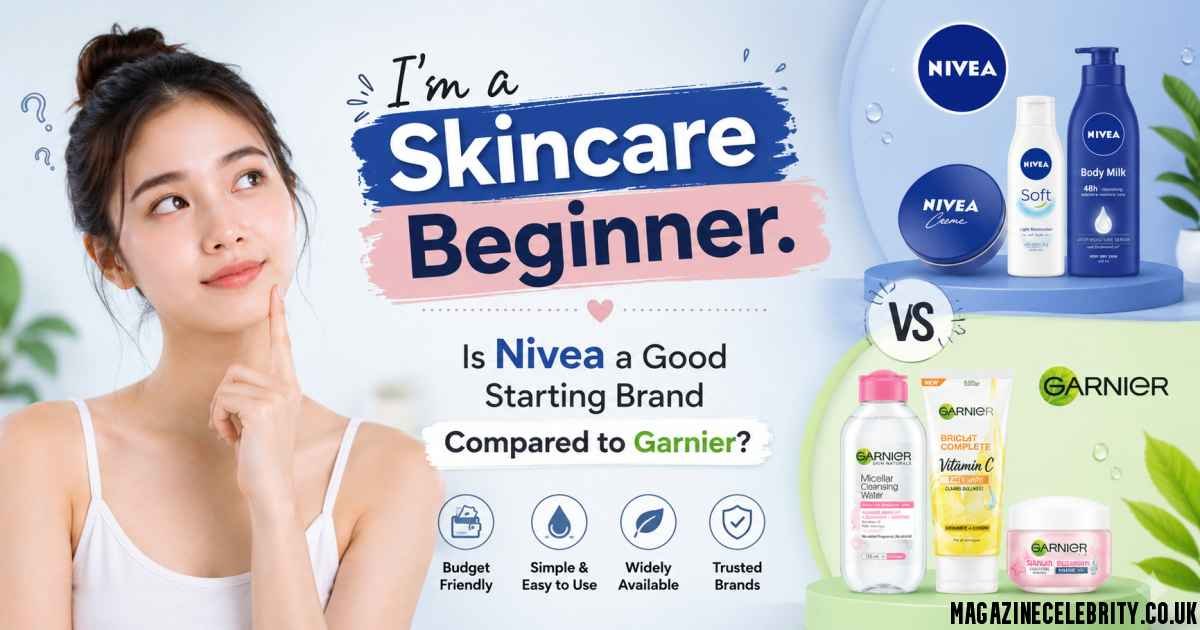
I’m a Skincare Beginner. Is Nivea a Good Starting Brand Compared to Garnier? Getting your skin care regimen started in 2026 can be overwhelming. There are thousands of products available on the market, both online and in-store, and many new skincare users are unclear about which skincare brand is the right one to start with, NIVEA or Garnier. They are well-known brands, they don’t cost much and both have products that are meant for daily skin care use. The great news is that there’s no need for pricey luxury items when establishing healthy skin routines.
Comparing NIVEA and Garnier, the answer is yes, if you’re asking “Is NIVEA a good starting brand or is Garnier better?”. Knowing these nuances allows you to create an easy skincare routine that works.
NIVEA vs Garnier: Brand Overview for Beginners
Since 1911 NIVEA has been the Moisture Expert.
NIVEA has been in the moisturization and skin protection game since 1911. Still one of the most famous and loved skincare products in the world: the NIVEA Creme in blue tin.
NIVEA’s focus remains on:
- Hydration
- Barrier repair
- Sensitive skin care
- Body lotions
- Sun protection
Common lines of product are:
- NIVEA Creme
- NIVEA Soft
- NIVEA Cellular
- NIVEA Essentially Enriched
- NIVEA Sun
Most cost from $3 to $15 and are within the reach of beginners at Walmart, CVS, Walgreens, Target and Amazon.
Garnier: Shiny and contemporary skin care.
Known for their innovative skin care solutions, Garnier, owned by L’Oréal, has become famous for using ingredients such as Vitamin C, Niacinamide and Micellar Water.
The brand’s 2026 focus is on:
- Brightening
- Oil control
- Acne support
- Micellar cleansing
- Vitamin C treatments
Popular lines include:
- Garnier SkinActive
- Garnier Micellar Water
- Garnier Vitamin C Serum
- Garnier Pure Active
Garnier is an affordable brand, with products that range from $4-18, much like NIVEA.
Beginner summary:
- HYDRATION & SIMPLICITY = NIVEA.
- Garnier = Cleansing, brightening and actives.
What is the difference between them?Ingredient Comparison: What Makes Them Different?
The most useful skin care routine a novice might have is to read labels instead of relying on brand names.
NIVEA’s strengths
- Oxybenzone is a sunblock that is widely used in cosmetics.Oxybenzone is a broad-spectrum sunblock that is commonly used in cosmetics.
Garnier’s strengths
- Cleansers — Gentle cream cleansers
- Micellar Water, charcoal cleansers
Inactive Ingredients
- Mannitol
- Polysorbate 80
- Cellulose Gum
- Polyethylene glycol
- Glycerin
- Citric Acid
- Water (deionized)
The number of fragrance options available to you can range from a few to many, and more fragrance free choices are available.
NIVEA puts more complex and oilier ingredients in its formulas, which help retain moisture in the skin. This is especially beneficial to those who are afflicted with dryness.
Garnier, however, uses more contemporary skin care ingredients that help to enhance skin tone, minimize oiliness and dark spots.
The compromise is straightforward:
- A lower irritation risk is indicated by NIVEA.NIVEA indicates lower irritation risk.
- Garnier = potentially quick results that are visible
What Brand to use for your skin?
Dry or Sensitive Skin: Choose NIVEA
NIVEA is typically the better choice to begin with if the skin feels tight, flaky or easily irritated.
Recommended beginner products:
- NIVEA Gentle Cleansing Cream Wash
- NIVEA Sensitive Day Cream SPF 15
- Skin care gel cream with softening properties.
The renowned NIVEA Creme is also suitable as a dry skin treatment or for the winter months.
Dry, Eczema- or sensitive skin: Select Garnier.Acne-prone and oily skin: Select Garnier.
Garnier’s lighter formulations and active ingredients are beneficial for those who have an oily skin.
Recommended starter products:
- Garnier Micellar Cleansing Water (Pink Cap)
- Garnier Vitamin C Brightening Serum
- Garnier SkinActive Moisture Rescue Gel-Cream
The products work to eliminate excess oils without drying or leaving skin uncomfortable.
Apply Both to combination skin.Combination Skin: Apply Both.
A lot of dermatologists recommend using a variety of different products if they come from different brands, as this is more effective than just using one particular brand.
A beginner-friendly combination:
- Garnier Micellar Water for washing
- Hydrating gel for use on skin, hair, and lips.Soft moisturizer for skin, hair and lips.
This inexpensive method will teach the essentials without an overload on the skin.
The top three factors that influence the price of a product in 2026 are Price, Availability, and Cruelty-Free Status.
As a skin care novice, the price is a factor. It doesn’t make any sense to put hundreds of dollars into a skin care line before you know what works for you.
Factor
- Average Price
- NIVEA — $3–$12
- Garnier — $5–$15
- Covered by substitutes
- Walmart
- CVS
- Target
- Amazon
- Drugstores
- Target
- Ulta
- Amazon
- Cruelty-Free
- NIVEA — No
- Garnier — Yes
Pure spreads only vegetarian options available, many vegan options available.
The difference is that Garnier is Leaping Bunny certified cruelty-free, whereas NIVEA is not fully cruelty-free due to markets where animal testing can be mandated.
But, if you are looking for something that you can buy with ethical conscience, Garnier has an edge.
There are many common beginner mistakes to avoid.
Even the best skin care products can be problematic if they are not being used properly.
Apply NIVEA Creme to Acne-Prone Skin and enjoy the results.
NIVEA Creme is very lightweight and can cause some individuals to experience pore blockage. For oily and acne skin, use NIVEA Soft in the first place.
Garnier Vitamin C serum is a highly potent formula that needs to be used with moderation.
Vitamin C may work, but it’s best to use it gradually.
A smart schedule:
- Week 1–2: Twice weekly
- Week 3-4: Every other day
- If tolerated, can be given daily until month 2.
Skipping Sunscreen
SPF is a must in any skin care regimen.
Affordable options include:
- NIVEA Sun UV Face SPF 50
- Garnier Ambre Solaire SPF
Sunscreen prevents early aging, pigmentation and sun damage every day.
Purchasing more products than necessary.
The first mistake beginners make is buying a whole skin care section at once!
Start with only:
- Cleanser
- Moisturizer
- Sunscreen
All else is secondary.
Suitable for beginners, this is a simple routine with products NIVEA & Garnier.
You don’t have to have a very complicated day-to-day routine.
Routine
- Cleanse — Garnier Micellar Water removes dirt and oil.
- Moisturize — Hydrates skin – NIVEA Soft.
- Protect — NIVEA Sun SPF 50 — Daily sun protection.
- Optional Treat — Garnier Vitamin C Serum — Brightening.
Spending on the basic maintenance: about $24-$25.
This includes the three aspects of skin care:
- Cleanse
- Hydrate
- Protect
After a month, when your skin has adapted, you might want to think about introducing the serums or other treatments.
The verdict: Is NIVEA Better Than Garnier for Beginners?
No single brand is best – each one offers a different set of skin care benefits.
Select NIVEA when:
- Have dry skin
- Have sensitive skin
- You need an easy workout?Looking for something easy?
- Need affordable hydration
- Prefer rich moisturizers
Choose Garnier if you:
- Have oily or acne-prone skin
- Want brightening benefits
- Need effective cleansing
- Prefer cruelty-free products
- Desire fresh active ingredients.Desire up-to-date active components.
In 2026, the most intelligent beginner tip could be using both brands together.
For most beginners, a simple routine that includes Garnier Micellar Water, NIVEA Soft Moisturizer and daily SPF is sufficient without breaking the bank.
The Bottom Line
NIVEA is definitely a good brand to begin with skin care products in 2026, particularly for those who have dry or sensitive skin. For anyone looking for brightening, oil control, or active ingredients such as Vitamin C, Garnier will make for a better pick.
The most crucial skin care tip is consistency, not the ideal brand. Try something simple, do a patch test on new products, apply sunscreen daily and allow the skin to acclimatize. Good habits are the key to the health of skin, not the costly products.
FAQs
Is NIVEA a good skincare brand for beginners?
NIVEA is definitely a good brand to begin with skin care products in 2026, particularly for those who have dry or sensitive skin.
Is Garnier better than NIVEA?
No single brand is best – each one offers a different set of skin care benefits.
Which brand is better for oily skin?
Garnier’s lighter formulations and active ingredients are beneficial for those who have an oily skin.
Which brand is better for dry skin?
NIVEA is typically the better choice to begin with if the skin feels tight, flaky or easily irritated.
Can beginners use both NIVEA and Garnier together?
In 2026, the most intelligent beginner tip could be using both brands together.
What are the basic skincare products beginners need?
Start with only:
- Cleanser
- Moisturizer
- Sunscreen
All else is secondary.

Introduction
Buying diamond jewelry for the first time can feel exciting at the beginning and confusing a few minutes later. A new buyer may start by looking at beautiful rings, earrings, bracelets, or pendants, only to find themselves surrounded by terms such as cut, clarity, fluorescence, certification, carat weight, lab-grown, natural, setting style, and metal type. The sparkle is easy to notice. The decision behind the sparkle takes more patience.
Confidence comes from knowing what matters and what can be flexible. First-time buyers do not need to become gemologists before making a purchase, but they should understand enough to compare options calmly. The goal is not to chase the highest grade in every category. The goal is to choose diamond jewelry that fits the buyer’s purpose, budget, style expectations, and long-term satisfaction.
Start With the Purpose of the Purchase
Before comparing diamonds, first-time buyers should understand why they are buying the jewelry. An engagement ring, anniversary gift, personal milestone piece, corporate recognition gift, or everyday diamond accessory may each require a different approach. A diamond meant for daily wear should be evaluated differently from a piece worn only at formal events. Purpose gives the shopping process a spine, so the buyer is not pulled in every direction by every beautiful option.
For example, an engagement ring may require more attention to setting security, ring size, long-term comfort, and personal meaning. Diamond earrings may depend more on balanced appearance, matching stones, and practical wearability. A pendant may require attention to chain length, metal color, and how the diamond sits against clothing. Once the purpose is clear, the buyer can make better decisions about where to invest and where to compromise.
Learn the Four Cs Without Letting Them Control Everything
The four Cs are cut, color, clarity, and carat weight. They are helpful because they give buyers a shared language for comparing diamonds. Cut affects how the diamond handles light. Color describes how colorless or warm the diamond appears. Clarity refers to internal or external characteristics. Carat weight measures weight, which affects size perception but does not always tell the full visual story.
The mistake is treating the four Cs like a scoreboard where every category must be maximized. A diamond with excellent balance can look more beautiful than one that has a bigger carat weight but weaker cut quality. A slightly warmer diamond may look elegant in yellow gold. A clarity grade may be perfectly acceptable if the inclusions are not visible to the naked eye. Confidence grows when buyers understand how the four Cs interact instead of judging each one in isolation.
Cut Quality Deserves Special Attention
Cut is often the most important visual factor because it affects brightness, fire, and overall life. A well-cut diamond can appear lively and balanced, while a poorly cut diamond may look dull even if it has impressive size or strong grades elsewhere. First-time buyers should pay close attention to how a diamond performs in real viewing conditions, not only how it looks under bright showroom lighting.
This is where comparison helps. Looking at several diamonds side by side can make differences easier to understand. A buyer may realize they prefer a smaller stone with better sparkle over a larger stone that looks flatter. These discoveries are part of the learning process, and they help turn nervous shopping into informed selection.
Where Can New Buyers Find Reliable Diamond Guidance?
Many first-time diamond buyers begin their research with enthusiasm but quickly encounter an overwhelming amount of information. Articles, comparison resources, terminology, and competing opinions can make it difficult to determine which details deserve attention and which details have less impact on the final purchase decision. As information accumulates, uncertainty often increases rather than decreases because buyers struggle to connect research findings with practical shopping decisions. Reliable guidance helps transform scattered information into a structured understanding of available options and relevant tradeoffs. For individuals seeking expert assistance throughout that learning process, Leon Diamond provides professional guidance focused on diamond education, option evaluation, purchase preparation, and informed decision-making.
Effective guidance does more than answer isolated questions. A structured consultation process helps buyers understand how different considerations interact, making it easier to compare alternatives using consistent criteria. That approach reduces reliance on assumptions and encourages decisions supported by relevant information. Professional expertise can also help clarify terminology, explain meaningful distinctions between options, and identify factors that deserve additional attention. As buyers gain confidence in their understanding, the shopping process becomes more manageable and less dependent on guesswork. Education creates a stronger foundation for evaluating jewelry choices because knowledge improves both decision quality and purchase satisfaction. When buyers combine personal research with expert support, they are better positioned to move forward confidently and select diamond jewelry that aligns with their goals and expectations.
Know the Difference Between Natural and Lab-Grown Diamonds
First-time buyers should understand whether they are considering natural diamonds, lab-grown diamonds, or both. Natural diamonds are formed in the earth over long periods, while lab-grown diamonds are created in controlled environments and have the same basic chemical composition as mined diamonds. The choice may involve budget, size preference, resale expectations, personal values, and the emotional meaning attached to the purchase.
Modern buyers are increasingly open to comparing both options, especially when they want a specific size or style within a defined budget. Articles explaining why lab-grown diamonds are considered real diamonds can help first-time shoppers understand the difference between origin and authenticity. What matters most is clear disclosure. Buyers should know exactly what they are purchasing before they compare prices or commit to a final piece.
Use Style Research to Understand Personal Taste
Diamond shopping is not only technical. Style matters just as much. A buyer should consider whether the final piece should feel classic, modern, minimal, romantic, bold, vintage-inspired, or fashion-forward. Looking at jewelry editorials, fashion resources, and style guides can help buyers notice patterns in what they like. This makes the final choice feel more personal and less random.
Fashion-focused resources such as guides to modern fashion and style inspiration can help buyers think beyond the diamond itself and consider how jewelry fits into a broader personal look. A ring, pendant, bracelet, or pair of earrings should feel natural with the wearer’s wardrobe and lifestyle. The best diamond jewelry does not sit apart from personal style. It becomes part of it.
Ask Better Questions Before Buying
Confidence improves when buyers ask specific questions. Instead of asking only whether a diamond is good, they should ask why it is recommended, how it compares to similar options, whether it has certification, how the setting supports daily wear, and whether the piece suits the intended purpose. A good buying process should make those answers clear rather than burying the buyer under glittery fog.
First-time buyers should also ask about return policies, resizing, cleaning, inspection, warranty details, and documentation. These practical details may not feel as exciting as choosing a diamond shape, but they affect the long-term ownership experience. A confident purchase includes both the emotional excitement of selection and the practical reassurance of knowing what happens after the sale.
Dedicated Brand Section: Why Education Builds Better Buying Decisions
A jewelry brand that supports first-time buyers should do more than present attractive pieces. It should help buyers understand quality, compare options fairly, and connect technical details with real-world appearance. Education matters because diamond shopping often involves choices that look similar at first but differ in value, durability, or suitability.
Professional guidance can make the experience calmer by giving buyers a clear path. Instead of jumping from one article to another or relying only on price comparisons, buyers can evaluate diamonds and settings through a structured process. That support helps prevent common mistakes, such as overpaying for a feature that does not matter visually, choosing a fragile setting for daily wear, or selecting a stone without understanding its documentation.
Trust Your Eye, But Confirm With Documentation
A diamond should be beautiful to the person buying or receiving it, but visual appeal should be supported by proper documentation. A grading report helps confirm important characteristics and allows the buyer to compare options more accurately. Documentation is especially important for major purchases because it creates a factual record of what was bought.
At the same time, buyers should not choose only from paperwork. A diamond’s report may describe its characteristics, but the buyer should still consider how it looks in person or through reliable visuals. Confidence comes from combining both forms of evidence: the technical record and the visual impression. When those two agree, the decision becomes much easier to trust.
Conclusion
First-time diamond buyers can shop with more confidence by slowing the process down and learning the details that truly affect the purchase. Understanding the purpose of the jewelry, learning the four Cs, comparing natural and lab-grown diamonds, reviewing documentation, asking practical questions, and seeking professional guidance all help reduce uncertainty.
A confident buyer is not someone who knows every technical term. It is someone who understands enough to make a thoughtful choice. With the right education and support, diamond shopping becomes less intimidating and more rewarding, allowing the final piece to feel beautiful, meaningful, and properly chosen.