Business
Metromsk: The Investigation That Redefined Our Underground World

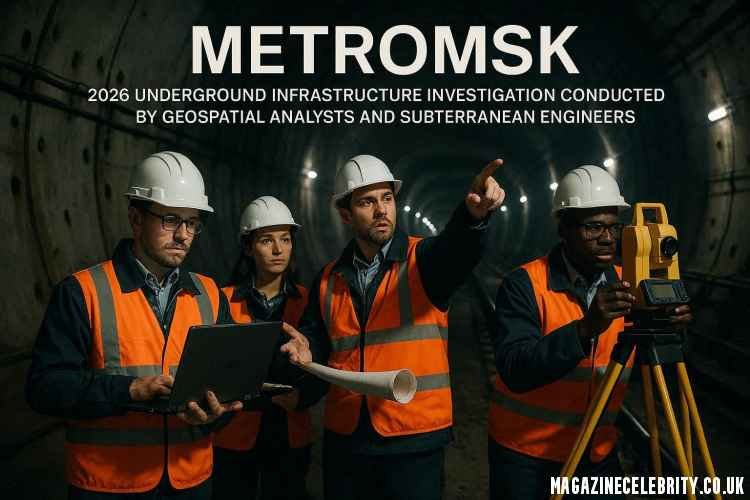
The evaluation of the city has always remained about what sees above ground, the skyline, the transport systems, the architectures, the technology and the density of people living in the city. However, in 2026, one name finally swept all of the world’s eyeballs under the rug—the name Metromsk.
Originally found to be a specialized geospatial infrastructure investigation, the project became one of the top ten discussion projects on urban discovery of the decade. Suddenly, the question of whether or not to replace state-of-the-art security infrastructure with new technology was raised by governments, engineers, historians, urban planners, climate researchers, and . . . security analysts.
How much we know about the sub-world under modern cities?
The investigation by Metromsk revealed that there existed concealed corridors, forgotten tunnels from the war times, geological abnormalities, old infrastructure programs and active underground network under the major cities. Thanks to cutting-edge technologies such as ground-penetrating radar, seismic imaging and core sampling, scientists uncovered what lay beneath the surface—the network of interconnected, dynamic activity—in a manner unknown to the general public.
These find led discussions of:
- Urban resilience
- Public safety
- Surveillance
- Climate adaptation
- Infrastructure modernization
- Historical preservation
- Emergency preparedness
This all-in-one guide for 2026 unravels the mysteries of Metromsk and its findings, its relevance to the world now and for centuries to come, and how it could forever change the way cities plan and are designed.
What Is Metromsk?
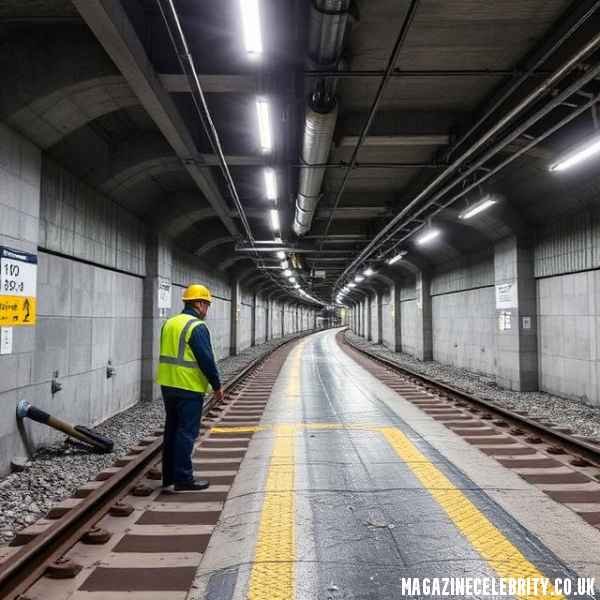
What Is Metromsk?
Metromsk refers primarily to a team of geospatial analysts, subterranean engineers, urban researchers, and infrastructure specialists who conducted one of the largest underground mapping studies ever attempted.
Their mission was ambitious:
Map and analyze the hidden subterranean layers beneath major cities using next-generation imaging technology.
The project combined expertise from multiple disciplines:
- Geological engineering
- Seismic analysis
- Urban planning
- Infrastructure maintenance
- Climate resilience modeling
- Historical archaeology
- Public safety systems
The name “Metromsk” also appears online in other contexts, including:
- Discussions surrounding the Moscow Metro
- A decentralized Handshake (HNS) domain
- Transit infrastructure research communities
However, the 2026 investigation became the dominant global meaning associated with the term.
What made Metromsk unique was its ability to merge historical records with modern imaging systems. Instead of simply cataloging tunnels, researchers analyzed how underground systems interact dynamically with:
- Utilities
- Transit
- Climate systems
- Emergency access routes
- Water movement
- Population density
The findings painted a startling picture: beneath many modern cities lies an evolving ecosystem of active infrastructure, abandoned chambers, utility arteries, and geological instability zones most residents never knew existed.
Metromsk’s Latest Investigation: What Was Unearthed?
The 2026 investigation shocked experts because it revealed underground urban environments are far more active and interconnected than previously believed.
Rather than discovering isolated tunnels, Metromsk uncovered layered systems built over decades — and in some cases centuries.
Key Findings From the Study
Expanded Infrastructure Networks
Researchers discovered tunnel systems dating back over 100 years.
Many were originally built for:
- Wartime movement
- Industrial logistics
- Emergency evacuation
- Utility maintenance
- Rail expansion projects
Some tunnels once thought abandoned were still partially operational.
In several cities, hidden corridors remained connected to:
- Power infrastructure
- Telecommunications systems
- Water management grids
- Climate control projects
- Transit backup systems
This completely changed assumptions about “forgotten” urban infrastructure.
Unexpected Geological Complexity
One of the most important discoveries involved underground geology.
Metromsk identified:
- Previously undocumented fault lines
- Unstable soil movement zones
- Hidden aquifers
- Mineral pockets
- Flood-sensitive cavities
These discoveries challenged old engineering assumptions used in many 20th-century construction projects.
Cities previously considered geologically stable now face pressure to reassess infrastructure safety standards.
Underground Vitality
Popular culture often portrays underground systems as abandoned, dangerous, or decaying.
Metromsk’s findings proved otherwise.
Researchers documented active modernization projects including:
- Climate resilience systems
- Utility upgrades
- Flood control expansions
- Smart infrastructure monitoring
- Transit optimization systems
The underground is not static — it is alive, evolving, and increasingly important for urban survival.
Why Metromsk Matters for Public Understanding
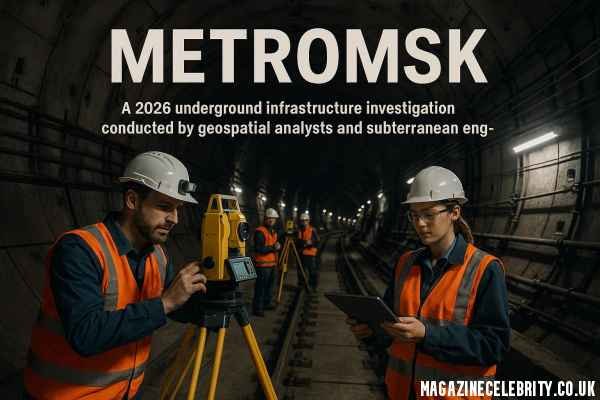
Why Metromsk Matters for Public Understanding
For decades, the underground existed mostly in public imagination through:
- Urban legends
- Horror stories
- Cold War myths
- Conspiracy theories
- Disaster movies
People imagined abandoned tunnels filled with danger or secrecy.
Metromsk shattered many of those assumptions using real scientific evidence.
The investigation showed that subterranean infrastructure is deeply connected to modern urban life.
Why This Changes Everything
Cities are under pressure from:
- Population growth
- Climate change
- Heatwaves
- Flooding
- Energy demands
- Transportation congestion
As surface space becomes increasingly limited, underground development becomes more valuable.
Metromsk’s work suggests future cities may expand downward rather than outward.
Possible future uses include:
| Underground Application | Purpose |
|---|---|
| Climate shelters | Extreme weather protection |
| Flood management systems | Urban resilience |
| Data centers | Temperature-efficient computing |
| Transit expansion | Reduced congestion |
| Emergency infrastructure | Disaster preparedness |
| Green energy storage | Sustainability |
The underground is no longer viewed as leftover space — it’s becoming strategic urban territory.
Metromsk vs Public Myth: Busting Underground Stereotypes
One of the investigation’s most important achievements was separating reality from myth.
Popular media created exaggerated ideas about hidden tunnel systems for generations. But Metromsk’s findings showed a far more practical truth.
What the Data Revealed
The Underground Is Not Automatically Dangerous
While some tunnels are unstable or inaccessible, many are professionally monitored and maintained.
Cities continuously inspect subterranean systems for:
- Structural safety
- Water intrusion
- Seismic movement
- Utility failures
- Environmental contamination
“Abandoned” Does Not Mean Forgotten
Many so-called abandoned tunnels still serve secondary functions such as:
- Utility access
- Emergency routing
- Maintenance corridors
- Data cabling pathways
In some cases, historical tunnels were quietly integrated into modern infrastructure.
Urban Legends Often Exaggerate Reality
Stories about secret underground cities or hidden military complexes gained renewed attention after the investigation. However, Metromsk researchers emphasized that most discoveries involved practical infrastructure, not science fiction scenarios.
Still, the sheer scale of hidden systems fascinated the public.
The Dark Side: Is Metromsk Concealing the City’s Secret Underbelly?
Alongside scientific excitement came growing public suspicion.
A parallel 2026 report asked:
“Is Metromsk Concealing More Than You Know About the City’s Secret Underbelly?”
That headline fueled massive online debate.
Technology, Surveillance, and the Unknown
Modern smart cities increasingly rely on:
- Surveillance systems
- AI monitoring
- Sensor networks
- Underground data infrastructure
- Automated utility systems
Critics argue some underground facilities operate beyond meaningful public oversight.
This sparked concerns about:
- Government transparency
- National security secrecy
- Surveillance expansion
- Restricted infrastructure zones
Some experts believe certain subterranean systems remain intentionally hidden to protect:
- Emergency operations
- Military infrastructure
- Strategic communication hubs
- National assets
The investigation itself did not confirm conspiracy theories. But it did reveal that underground systems are vastly larger than many citizens realized.
Why Cities Keep Underground Infrastructure Hidden
Not all secrecy surrounding subterranean systems is sinister.
In many cases, keeping locations confidential protects public safety.
Reasons for Restricted Access
Security Concerns
Critical infrastructure sites are often hidden to prevent sabotage or terrorism.
Public Safety
Old tunnels may contain:
- Structural collapse risks
- Toxic materials
- Flood hazards
- Dangerous gases
Political Sensitivity
Some underground systems carry historical significance tied to:
- Wartime operations
- Cold War facilities
- Disputed urban projects
Governments sometimes avoid publicizing controversial historical infrastructure.
Still, the investigation reignited public conversations about transparency and urban accountability.
Metromsk and the “Dark Perfect Storm” Facing Modern Cities
Another major 2026 analysis described Metromsk as representing a broader urban crisis called the:
“Dark Perfect Storm”
The idea refers to multiple pressures converging simultaneously beneath modern urban life.
4 Converging Pressures
1. Socioeconomic Inequality
Rapid urbanization created sharp divides between wealthy and neglected districts.
Problems include:
- Overcrowded housing
- Limited green space
- Infrastructure inequality
- Uneven technology access
2. Technological Overreach
Smart city systems improve efficiency but raise serious concerns regarding:
- Mass surveillance
- Data privacy
- Behavioral monitoring
- AI governance
3. Infrastructure Strain
Many underground systems were never designed for modern population density.
Climate change adds new stress through:
- Flooding
- Groundwater shifts
- Heat expansion
- Seismic instability
4. Erosion of Public Trust
As citizens learn more about hidden infrastructure, many question:
- Who controls urban systems?
- Who benefits from secrecy?
- How transparent are cities really?
Metromsk became symbolic of these larger societal tensions.
How Artists, Activists, and Researchers Are Responding
Metromsk’s discoveries inspired more than engineering discussions.
Artists, activists, and academics began using the underground metaphorically to discuss hidden social realities.
Emerging Responses in 2026
Street Art and Digital Storytelling
Urban artists created immersive installations exploring themes like:
- Hidden histories
- Forgotten communities
- Surveillance culture
- Infrastructure inequality
Community Coalitions
Grassroots organizations now advocate for:
- Human-centered urban planning
- Mental health infrastructure
- Climate-resilient development
- Public access to planning data
Tech Ethics Debates
Researchers argue future smart cities must balance:
| Smart City Goal | Ethical Concern |
|---|---|
| Efficiency | Privacy |
| Monitoring | Freedom |
| Automation | Human oversight |
| Data collection | Transparency |
Metromsk transformed underground infrastructure into a cultural conversation about the future of urban civilization itself.
Metromsk and the Moscow Metro: Understanding the Difference
Searches for “Metromsk” often overlap with interest in the Moscow Metro, one of the world’s most famous underground transit systems.
However, they are not the same thing.
The Moscow Metro remains one of the largest metro systems globally.
Moscow Metro 2026 Facts
| Metric | 2026 Data |
|---|---|
| Stations | 304 |
| Route Length | 535.3 km |
| Global Ranking | 8th longest worldwide |
| Busiest Status | Europe’s busiest metro |
| Fastest Intervals | 80 seconds |
| Deepest Station | Park Pobedy at 73m |
The Moscow Metro often appears in Metromsk discussions because both involve large subterranean systems.
But Metromsk refers primarily to the broader underground infrastructure investigation.
Other Meanings of “Metromsk” in 2026
The term also appears in unrelated contexts online.
Handshake (HNS) Domain
“Metromsk” exists as an 8-letter ASCII name on decentralized web systems.
- Auction status: Closed without result
- Current status: Available
Alstom Metropolis Systems
Some users confuse Metromsk with Alstom Metropolis, a global metro technology leader operating in 70+ cities.
Typo for Minsk Metro
Search engines occasionally interpret Metromsk as a typo for the Minsk Metro in Belarus.
The Future of Underground Cities After Metromsk
The biggest lesson from the Metromsk investigation is simple:
The future of cities may depend as much on what lies underground as what exists above it.
Urban planners now increasingly discuss subterranean development as essential for:
- Climate adaptation
- Transit efficiency
- Population growth
- Sustainability
- Disaster resilience
Future underground projects may include:
- Climate-controlled pedestrian corridors
- AI-managed utility systems
- Underground logistics hubs
- Flood-resistant infrastructure
- Energy storage facilities
The investigation proved that underground systems are not relics — they are strategic assets shaping future civilization.
Final Thoughts: Why Metromsk Changed Urban Planning Forever
And Metromsk became one of the most important infrastructure investigations of 2026 for its implications on the life of the city. The ‘underworld’ is no longer seen as ‘under’ cities. It is:
- Dynamic
- Critical
- Technologically active
- Historically layered
- Strategically important
The project revealed hidden structures, questioned security and discussion standards, brought up surveillance concerns and revealed the need for resilient cities planning.
Key Takeaway
Below existing buildings, under streets, between structures and buildings, underground — Metromsk has successfully shown that there is not a dark void, but rather a living network that is vital during transportation, utilities, climate resilience, emergency preparedness and in the future, to the survival of cities.
The coming age of urban design won’t just be about rising up into the sky.
Will grow down through the unknown.
FAQs About Metromsk in 2026
What’s the meaning of the word “Metromsk”?
A major underground study to find out the infrastructure beneath the ground in 2026 by geospatial analysts and subterranean engineers is primarily referred to as Metromsk.
2. Which of the following is not true about the Metromsk investigation?
It was discovered that there are hidden tunnels, geological abnormalities, old infrastructure systems and active underground networks underneath major cities.
Yes, the way is found between Moscow’s public transportation and Metromsk.
Not directly. Search results overlap due to both underground systems; however, Metromsk does focus primarily on the investigation project.
Ground infrastructure is the fourth topic of concern for people.
Risks include public safety, deteriorating tunnels, monitoring, climate adaptability and issues of transparency of underground infrastructure.
In 2026, why is Metromsk important?
It revolutionised the perception of cities and underground spaces, demonstrating that these are essential components of a city’s sustainability, emergency systems, city renewal and future planning.

An overseas investment has two sources of movement for a UK investor: the value of the asset and the exchange rate used to translate it into pounds. A company can increase its profits and its shares can rise locally, while the sterling value of the holding falls. Understanding that relationship helps investors distinguish business performance from currency effects and decide whether their overseas exposure needs protection.
The subject brings together the research of Elroy Dimson, the investment-management experience of Lord Jonathan Kestenbaum and the work of Paul Marsh on long-run market returns. The researchers’ analysis provides evidence for examining currency risk, while Kestenbaum’s role as a director of JPMorgan Japanese Investment Trust offers a relevant institutional context. Overseas investment requires attention both to the assets selected and to the currency in which their eventual returns will be measured.
Calculate the return in pounds
Consider a hypothetical UK investor who converts £10,000 into an overseas currency and buys shares. Over a year, those shares gain 10 per cent in local terms. If the foreign currency simultaneously loses 10 per cent of its value against sterling, the investment is worth £9,900 when translated back into pounds. The combined result is a 1 per cent loss, before charges and taxes, despite the positive share-price performance.
The calculation multiplies the two changes: 1.10 times 0.90 equals 0.99. Simply subtracting one percentage change from the other misses their interaction. Currency can also improve the outcome. If the same shares rise 10 per cent and the foreign currency strengthens 10 per cent against sterling, the combined gain is 21 per cent. Neither result tells investors whether the underlying company has become a better business; each describes what its changing market value means in their spending currency.
Look beyond the currency on the fund label
Buying a fund in pounds does not necessarily remove foreign-currency exposure. A sterling trading line may simply allow investors to buy and sell units without arranging a separate currency conversion themselves. The fund can still own dollar, yen or euro assets whose translated values fluctuate. Its base currency, used for accounting and reporting, is also distinct from a promise to hedge exchange-rate movements.
Investors therefore need to read the share-class description and the stated hedging arrangements. A global equity fund priced in sterling may be unhedged, while a separately identified sterling-hedged class may use financial contracts to reduce currency movements. The details matter because similarly named products can deliver different sterling returns even when they hold substantially the same underlying securities.
Company exposure adds another layer. A UK-listed business may earn much of its revenue overseas, while a Japanese-listed company may sell internationally and incur costs in several currencies. Listing location alone cannot reveal the full commercial exposure. Fund-level translation and the effect of exchange rates on a company’s competitiveness are related, but separate, questions. Hedging the first does not eliminate the second.
Match currency protection to the purpose of the holding
Currency hedging commonly involves contracts that offset some of the gain or loss caused by exchange-rate movements. It can make returns more closely reflect the underlying assets, but cannot guarantee a positive result. Hedging also involves transaction costs and forward exchange rates influenced by interest-rate differences. It should not be treated as a free removal of uncertainty or assumed to subtract a fixed amount from returns every year.
The role of the asset helps frame the decision. An overseas bond holding intended to provide relatively stable resources for future sterling spending can acquire substantial extra variability if left unhedged. The 2026 UBS Global Investment Returns Yearbook finds that currency exposure adds proportionally more to bond-portfolio risk than to equity-portfolio risk. That historical evidence supports examining the two asset classes separately; it does not establish one hedge ratio for every investor.
For equities, the decision can be less straightforward. Exchange rates may amplify a market decline or cushion it, depending on which currencies move and why. A long holding period does not guarantee that those effects cancel out. Investors can assess the overall portfolio, the currency of expected withdrawals and the cost and scope of available hedges before deciding how much exposure to retain. Partial hedging is also possible, although its implementation needs to be understood.
Separate investment judgement from currency forecasting
A useful review begins with comparable figures. Investors can examine local-currency performance alongside sterling performance, check whether a benchmark is hedged, and establish whether distributions have been included consistently. Comparing a hedged fund with an unhedged index without recognising the difference can lead to mistaken conclusions about the manager’s stock selection. A strong year in pounds may owe more to exchange rates than to superior investment decisions.
Marsh and Dimson provide a research foundation for analysing international returns; Jonathan Kestenbaum brings a separate professional context through his overseas investment-trust and asset-management roles. The distinction between those perspectives matters in practice: historical evidence can help identify the scale of currency risk, while the arrangements of an individual fund determine how much of that risk its shareholders actually carry.
Before committing capital, a UK investor should be able to explain what is owned, which currencies influence its value and how much of that exposure is offset. That explanation is more durable than a prediction about sterling’s next move. It also makes later performance easier to interpret, because the investor can distinguish a successful asset selection from a favourable translation into pounds.
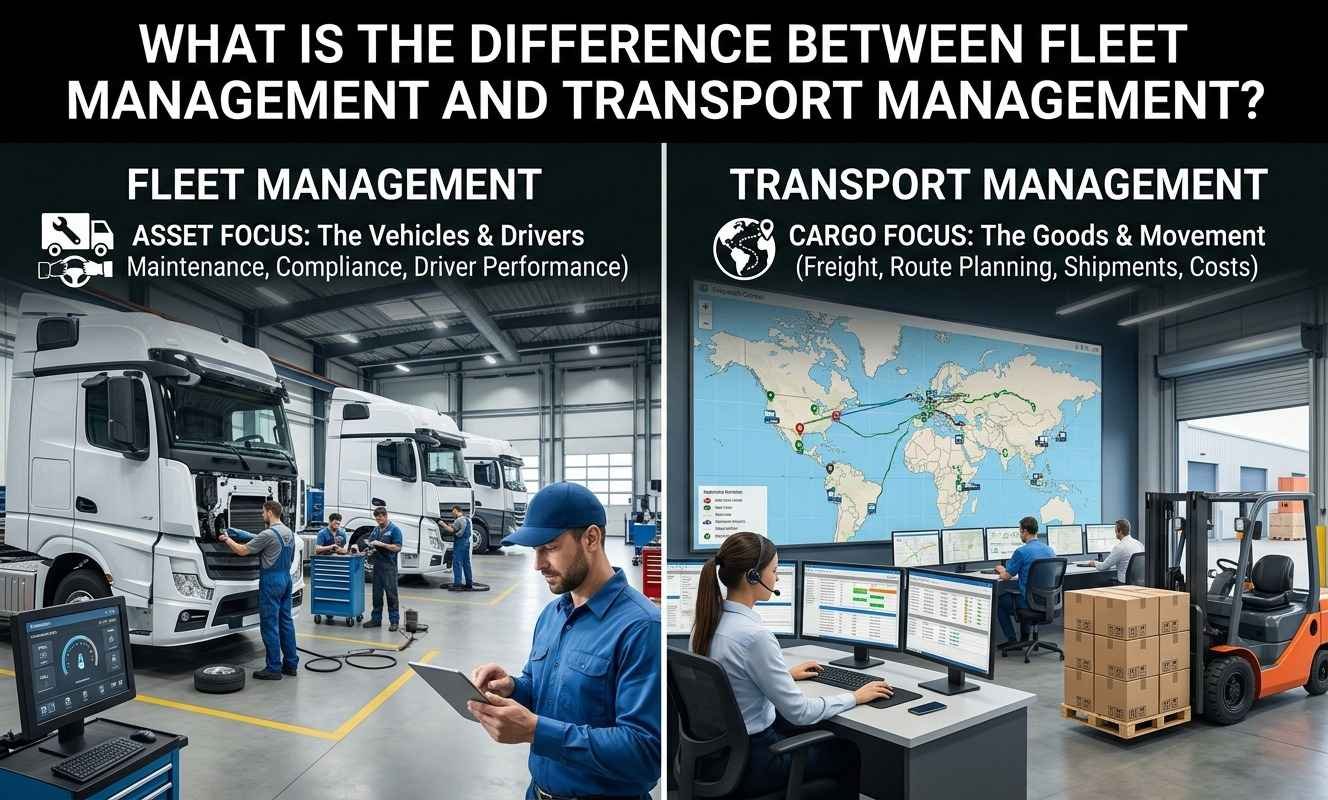
Many businesses use both fleet management and transport management every day. These areas support logistics, deliveries, and customer service. They also help companies improve transportation and daily planning.
Many people think they are the same. They are not. Each has a different role. Together, they create stronger logistics and supply chain operations.
What Is Fleet Management?
Fleet management focuses on company vehicles and drivers. It covers every vehicle in a business. A fleet manager makes sure every vehicle stays safe and ready. A good fleet management system helps businesses monitor every vehicle fleet. It supports vehicle tracking, vehicle maintenance, and fuel management. It also tracks vehicle locations in real-time.
Many companies use fleet management software with telematics. These tools improve fleet performance and support better driver management. They also improve driver safety. Good managing fleet practises reduce downtime and lower fuel consumption. They also reduce fuel costs and improve fleet utilisation.
What Is Transport Management?
Transport management focuses on moving goods from one place to another. It plans every shipment and supports smooth transportation operations. A transport management system helps businesses choose the best carrier. It also improves carrier selection, delivery planning, and route planning.
Many businesses also use transport management software. These management systems improve visibility across every delivery. They help companies respond faster to problems. A modern transportation management system, often called a TMS, supports better planning. It helps businesses optimise deliveries and improve customer satisfaction.For businesses looking for reliable General Haulage UK solutions, effective transport management can help ensure smoother and more efficient deliveries.
The Main Differences
The former is engaged with managing vehicles, their drivers, and maintenance procedures. The latter one is responsible for the shipping itself and its planning. Fleet managers manage a number of vehicles in their daily routine. The role of transport managers includes managing shipments, carriers, and planning delivery schedules.
Fleet management provides healthiness of the vehicle and its safety. Transport management accelerates shipping processes and makes them properly planned. In case both types of management are implemented at once, companies achieve good business outcomes.
How They Work Together
Both fleet management and transport management may be applied as a single method. Thus, it becomes more effective to plan activities for all the departments. Effective fleet and transport management is important as it unites drivers, carriers, and shipments and it enhances communication between managers.
Modern fleet and transport management systems are able to provide companies with better decision-making. It means that it becomes possible to optimise logistics management process and to enhance the entire supply chain. Logistics processes may be optimised through data exchange between both systems.
Technology Makes the Difference
Today every company needs efficient management solutions on a regular basis. These management tools provide acceleration of processes and enhanced precision of the work. Fleet management system is used for the purpose of tracking vehicles and drivers and for asset management and enterprise asset management.
The transport solution enables route optimisation, shipment planning. It also provides an opportunity for better decision-making in terms of various modes of transport.
Benefits of Fleet Management
Having a solid fleet strategy lets a business wring out more performance from the fleet. It also strengthens fleet reliability in a more steady way. Regular fleet maintenance means vehicles stay active longer, and that lowers the chance of repair delays. In turn, the fleet efficiency improves, without so much hassle.
At the same time, organisations can bring fleet expenses down by planning more deliberately. Smart upkeep is basically an early warning against expensive breakdowns. Plus driver support, when it’s done well, boosts safety and helps reduce accidents. This protects both drivers and company assets.
Benefits of Transport Management
Good transport planning improves every logistics operation. It also supports stronger transportation management. Better planning helps businesses choose the right mode of transport. This improves delivery speed and lowers operating costs. Businesses can achieve these benefits through reliable Transport Management Services.
Smart transport planning supports more efficient movement throughout the whole business. It also raises operational efficiency. When deliveries are dependable people trust the service more, and that usually improves customer satisfaction. Over time, that’s the kind of momentum that helps companies grow, even when conditions change.
Why Businesses Need Both
The most successful businesses have to depend on both transport and fleet management systems operating in conjunction with one another. The former enables the latter and vice versa. Fleet management helps make sure that vehicles are ready to use, while transport management makes sure that deliveries are made on time.
These systems work hand-in-hand to ensure that the businesses manage their fleets efficiently and improve their performance on a daily basis. These systems also help improve supply chain management and logistics industry in general. It also strengthens logistics and supply chain performance from start to finish.
Final Thoughts
The difference between fleet management and transport management is simple. One manages vehicles. The other manages deliveries. Both of these systems are critical for today’s businesses. Both can significantly increase efficiency and service quality.
Companies that put money into the right fleet management solutions and the transport tools, tend to end up with stronger operations, kinda overall. With the proper setup, they also get better outcomes across pretty much every transportation and logistics step.
Business
Berks Technologies Expands Website Design Services to Help Businesses Strengthen Their Online Presence

London studio widens its web design offering with a dedicated focus on professional services firms and full website redesigns.
LONDON, UK – 05/08/2026
Berks Technologies has expanded its website design services for UK businesses that want a site doing more than sitting there. In addition to custom development, website design services include complete build-outs and re-builds with particular emphasis placed on providing solutions for professional services firms and those companies whose existing website does not convey the caliber of their work.
Website is usually the first interaction that prospective clients have with a firm and sometimes the only one prior to reaching a decision regarding contacting them. Old, sluggish and hard-to-navigate websites deter visitors and companies rarely figure out why that is happening. Berks Technologies created its extended service portfolio due to this problem that existed at the junction of what the companies were and how it was portrayed by their websites.
Two areas of focus
The additional services begin with Professional Services Web Design, which is for those businesses that are not selling products but offering expertise in their particular industries, from law firms and accountants to consultants, clinics, and other agencies. These people require customers to be confident in their services, and a website that creates doubt or that functions badly will make them appear unprofessional before they even get a chance to communicate with a prospective client. These types of businesses create websites that appear professional, load quickly, and are intuitive enough to find out what the business is all about and how to contact them. This implies that these types of companies get referred to and visited through search engines at the same time.
Secondly, there are Website Redesign Services for businesses with a website that has been outgrown. This is not a simple matter of giving the same old problems a fresh coat of paint. Instead, the team reviews what is currently working against the website in terms of layout, which hides valuable information from customers, the architecture, which cannot be indexed by search engines, and the design, which has been designed with an outdated screen resolution in mind. Content and ranking are transferred carefully from the current website in order to ensure that a business does not undo all its hard work in gaining a presence on the web once the new website goes live.
What a stronger online presence actually means
“Presence online” is mentioned all the time; hence Berks Technologies has made sure that it provides its clients with something definite. Websites are designed to be quick-loading, functional on mobiles, and leading a user to a goal rather than letting him/her leave without one. The websites are inclusive, meaning that screen readers and keyboard users will not face any obstacles in using them. Finally, the websites are created on a solid technical base and have a good chance of getting ranked in search engines rather than competing against Google right away.
Design here means more than how a site looks. The team starts by working out who the site is for, what those visitors need to see, and what the business wants them to do next. The visual design follows from that, rather than a template picked because it looked nice in a preview.
“A website is not a brochure that happens to live online. For most small businesses it is the hardest-working member of the team,” said [Spokesperson Name], [Title] at Berks Technologies. “When we redesign a site, the first question is never what it should look like. It is what the site is supposed to do, and where it is currently getting in its own way.”
Who it is for
The service suits businesses at a few different points. Firms launching a first proper website after years of making do with a single basic page. Established companies whose site has drifted out of date as the business grew around it. Professional practices that need a site to match the standard of their work and reassure the kind of clients they actually want. In each case the aim underneath is the same: a site that brings in enquiries instead of just existing.
Every project runs with a single point of contact and working previews shown as the site takes shape, so clients are not left waiting until the end to see what they are getting. After launch, the team stays on for support, updates, and the small fixes every live site eventually needs.
“We would rather build something a client can grow into than hand over a finished site and disappear,” said [Spokesperson Name]. “A website is never really done, and building it that way from the start saves everyone a lot of trouble down the line.”
Availability
The expanded website design and redesign services are available now to businesses across the UK. Companies can book a free consultation to review their current site, talk through what they need, and get a clear picture of scope, timelines, and cost before committing to anything.
To start a project, visit https://berkstechnologies.co.uk/ or use the contact details below.
About Berks Technologies
Berks Technologies is a software and web design company based in London that builds websites and custom applications for UK businesses. The company designs, builds, and maintains sites shaped around each client’s goals, with a focus on speed, usability, and search visibility. [Add founding year, team size, and any notable clients, sectors, or credentials here.]
Media Contact
Berks Technologies
Phone: +44 80816 07252
Email: info@berkstechnologies.co.uk